The advice is everywhere: drink eight glasses of water a day. It is so embedded in wellness culture that most people accept it without question. But where did the number come from? (A 1945 US recommendation that was immediately followed by the sentence “most of this quantity is contained in prepared foods”, a sentence that has been quietly dropped for decades.) And is plain water even the most effective way to hydrate?
The short answer is: it depends. Water is essential. But hydration is a function of the whole system: electrolytes, food intake, timing, what else you are drinking, and how your kidneys and cells are processing fluid. Understanding that system makes every glass of water more effective.
“You are not dehydrated because you forgot to drink water. You are often dehydrated because the water you drink has nothing to help your body hold onto it.”
Mama SaraWhy Plain Water Sometimes Isn’t Enough
Water moves in and out of cells through a process called osmosis, governed by the concentration of dissolved minerals on either side of the cell membrane. Those minerals (primarily sodium, potassium, magnesium, and chloride) are collectively called electrolytes. They are what allow your cells to actually draw water in and use it.
When electrolytes are low (through sweating, a low-sodium diet, too much plain water diluting what little you have, or not eating enough vegetables) the body struggles to retain fluid. You may drink plenty of water and still feel tired, headachy, and vaguely off. That is often not dehydration in the sense of “not enough fluid”; it is cellular dehydration from inadequate electrolytes.
This is why athletes use electrolyte drinks, why oral rehydration salts work better than water alone in illness (and why warm fluids earn their place among cold and sore throat remedies), and why people who drink large quantities of plain water sometimes feel worse rather than better. More water without the minerals to anchor it can actually dilute your electrolyte balance further.
What Counts as Hydration
Contrary to longstanding myth, all fluid-containing drinks contribute to hydration, including tea and coffee. The diuretic effect of caffeine is real but mild, and the fluid in caffeinated drinks more than compensates for it in moderate quantities. The net effect of a cup of tea is hydrating, not dehydrating. The same applies to herbal teas, diluted juices, broths, and milk.
Food is also a significant source of water. The following foods are over 90% water by weight:
96–95% water. Both also contain natural electrolytes, particularly potassium and a small amount of sodium, making them among the most genuinely hydrating foods.
92% water. Watermelon also contains L-citrulline, which supports blood flow. Berries add antioxidants. A bowl in the afternoon counts as real hydration.
95–91% water. Leafy greens are hydrating, high in magnesium, and add folate. A large salad contributes meaningfully to your daily fluid intake.
One of the most effective hydration tools available. Broth contains water, sodium, potassium, and minerals: the full electrolyte package. Warm, absorbing, and satisfying.
Around 85% water, plus potassium, calcium, and magnesium. Kefir is particularly useful for gut health alongside hydration.
When made with water or milk, oats absorb and retain fluid. A bowl of porridge provides a slow, steady hydration alongside sustained energy.
On a day with a large salad, plenty of fruit and vegetables, soup at lunch, and yoghurt at breakfast, you may be taking in 500–800ml of water from food alone, before a single glass of water is counted.
The Electrolytes: What They Do and Where to Find Them
Sodium
Sodium has been so thoroughly demonised that many people eat far too little, particularly those avoiding processed food. Sodium is essential for fluid regulation, nerve function, and muscle contraction. If you are sweating regularly, eating a whole food diet, and not adding salt to anything, you may be running low. A pinch of good-quality salt in your water bottle, or simply salting your food to taste with unrefined salt, addresses this without excess.
Potassium
Potassium works with sodium to maintain fluid balance inside and outside cells. Most people do not get enough. The best sources are bananas, avocados, sweet potatoes, white beans, cooked spinach, salmon, and yoghurt. Aiming for a diet rich in vegetables and legumes generally takes care of potassium without supplementation.
Magnesium
Magnesium supports hundreds of enzymatic processes and is involved in fluid regulation, muscle function, and sleep. Deficiency is widespread. Pumpkin seeds, dark chocolate, almonds, spinach, black beans, and edamame are all excellent sources. Many people find a magnesium supplement helpful, particularly for sleep and muscle cramps, both of which can be signs of low magnesium rather than dehydration alone.
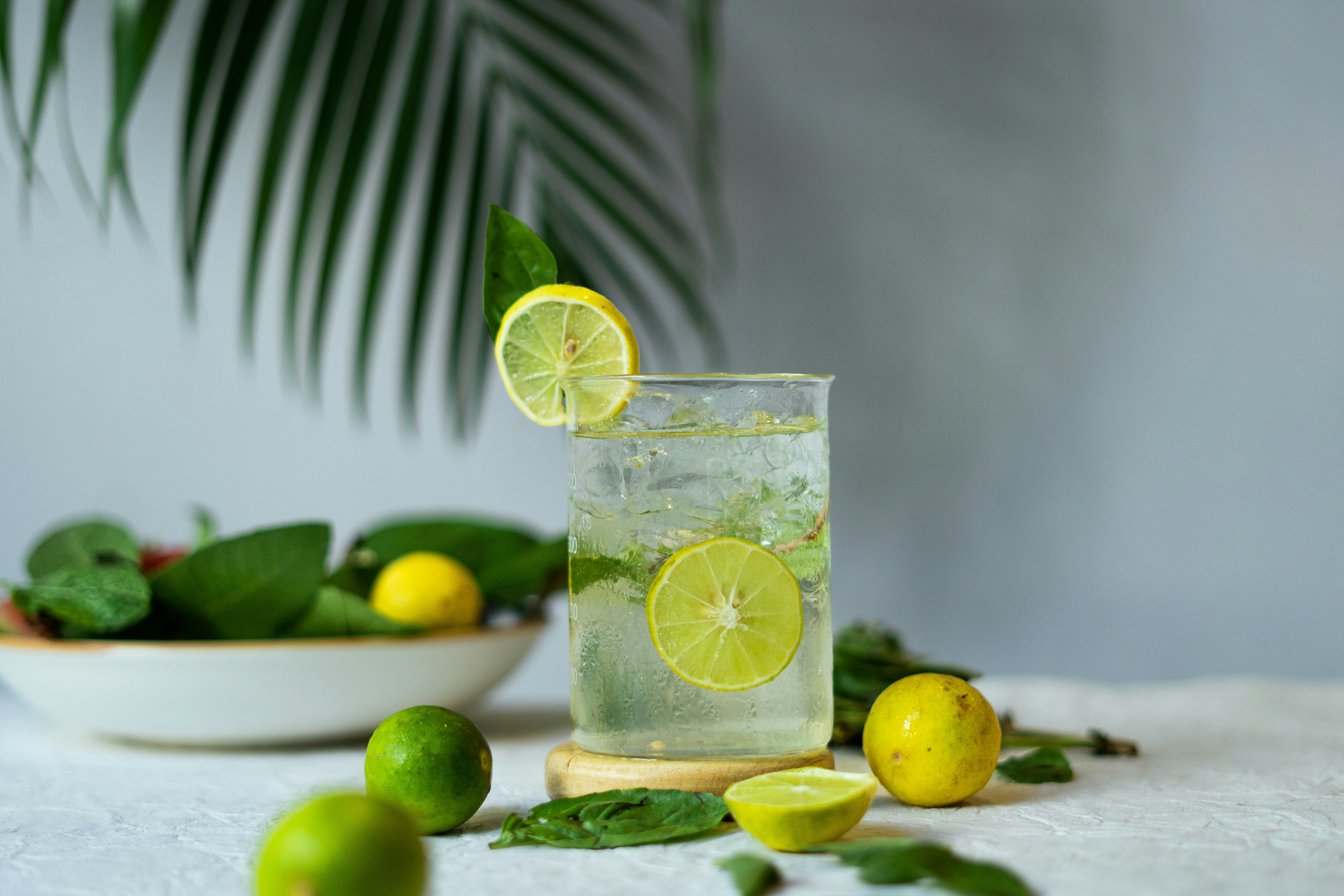
Mix 500ml water with a pinch of sea salt, a squeeze of lemon or lime, a teaspoon of honey, and a small splash of coconut water if you have it. This provides sodium, potassium, and a small amount of glucose to aid uptake, similar in function to commercial sports drinks without the artificial ingredients.
Drinks That Work Against Hydration
Not all fluids are equal. Some drinks actively increase your fluid requirements rather than meeting them.
Alcohol suppresses the hormone vasopressin, which signals the kidneys to retain water. After a glass of wine, the kidneys excrete more water than the drink provided, which is the physiological cause of the post-alcohol headache. If you drink alcohol, having a glass of water between drinks and drinking a large glass of water before bed significantly reduces next-day dehydration.
High-sugar drinks (fizzy drinks, commercial fruit juices, energy drinks) create an osmotic effect in the gut that can actually draw water out of cells during digestion. They are not hydrating in the way plain water is, and the sugar spike followed by the crash worsens the subjective feeling of fatigue and thirst.
Excessive caffeine past mid-afternoon has a mild diuretic effect and, more significantly, disrupts sleep, which is when the body performs key cellular repair and rehydration. Poor sleep consistently worsens next-day hydration status.
When to Drink: Timing Matters More Than Total Volume
Hydration is not something that can be caught up in a single hour. Drinking two litres of water all at once is far less effective than spreading fluid intake throughout the day, because the kidneys can only process roughly 800ml per hour before the excess is excreted.
- First thing in the morning. You lose fluid overnight through breathing and any sweating. A glass of water before coffee rehydrates before the mild diuretic effect of caffeine begins.
- Before meals. Drinking water 20–30 minutes before eating supports digestion and helps the body distinguish thirst from hunger. Many people confuse mild dehydration for hunger.
- During exercise. Sip steadily rather than drinking large volumes at once. If exercise lasts over an hour, add electrolytes.
- In hot weather or heated environments. Centralheating and air conditioning both dry the air and increase fluid loss. Most people underestimate their requirements indoors in winter.
- When tired or foggy. Even mild dehydration (as little as 1–2% of body weight) measurably impairs concentration, mood, and short-term memory. Before reaching for a second coffee, try a large glass of water first.
How to Tell If You’re Actually Hydrated
The most reliable simple indicator is urine colour. Pale straw yellow: not colourless, not dark amber. Colourless urine throughout the day often means you are over-hydrating and flushing electrolytes; dark amber means you need more fluid. The ideal sits in the middle.
Other signs of low-level, chronic dehydration that people rarely connect to fluid intake: afternoon headaches, difficulty concentrating, dry lips, constipation, skin that is slow to spring back when pinched, and feeling hungry shortly after eating.
Start with water before coffee. Eat a breakfast with some fruit. Have a mid-morning herbal tea. Eat a lunch with plenty of vegetables. Drink water steadily through the afternoon, keeping a glass or bottle visible helps. Have soup or a vegetable-rich dinner. Stop large fluid intake 1–2 hours before bed to avoid disrupting sleep. That is, for most people, genuinely sufficient.
The Hydrating Power of Herbal Teas
Herbal teas are one of the most underrated tools for hydration. They are warm, satisfying, caffeine-free (in most cases), and some have additional benefits that plain water cannot offer.
Hibiscus tea is rich in antioxidants and has evidence for modest blood pressure reduction. Ginger tea supports digestion and has anti-inflammatory properties. Peppermint tea aids digestion and reduces bloating. Chamomile tea has mild sedative properties that support evening winding down. Nettle leaf tea is mineral-rich, containing iron, magnesium, and potassium, making it one of the most nutritionally dense herbal options.
If you find plain water unappealing, herbal teas are an excellent solution that adds flavour, warmth, and additional plant compounds without sugar or calories.
Staying hydrated is genuinely simple when the whole picture is clear: water matters, electrolytes matter, food matters, and timing matters. You do not need to track every millilitre or buy expensive supplements. Eat plenty of vegetables and fruit, add a pinch of salt to your food, drink water steadily through the day, let herbal teas and soups count, and pay attention to how you feel. That, for most people, is enough.