If you've ever stood in the health food aisle, bewildered by labels promising everything from "gut support" to "cognitive enhancement," you're not alone. The language around healthy eating has become so complicated that most people give up before they even start. But the truth about eating well is far simpler than any wellness brand would like you to believe.
Whole foods are not a diet. They're not a trend. They are simply foods that are as close to their natural state as possible, minimally processed, without a long list of additives, and recognisable as something that was once grown in the ground or raised on a farm. That's it. No complicated rules, no expensive supplements, no measuring or counting required.
"You don't need a nutrition degree to eat well. You just need to ask one question: did this come from the earth?"
Mama SaraWhat Exactly Are Whole Foods?
A whole food is any food that hasn't been significantly altered from its natural form. Think of a potato versus a bag of crisps. An oat versus an instant flavoured oat packet. A handful of almonds versus an almond-flavoured snack bar. The original ingredient is a whole food. What happens to it after that is where things get complicated.
It helps to think in categories. Below are the five main groups, and simple ways to get more of each into your daily life.
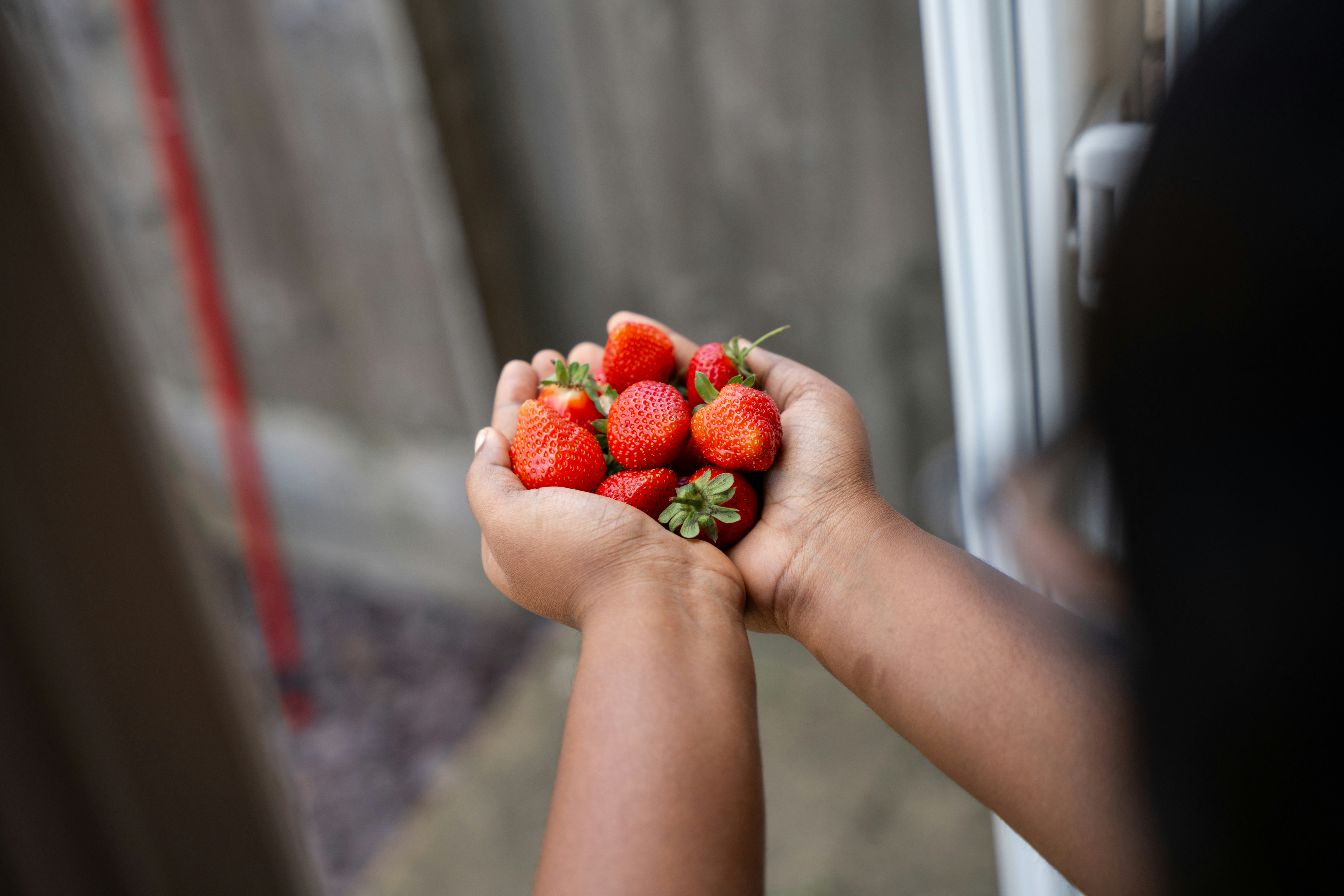
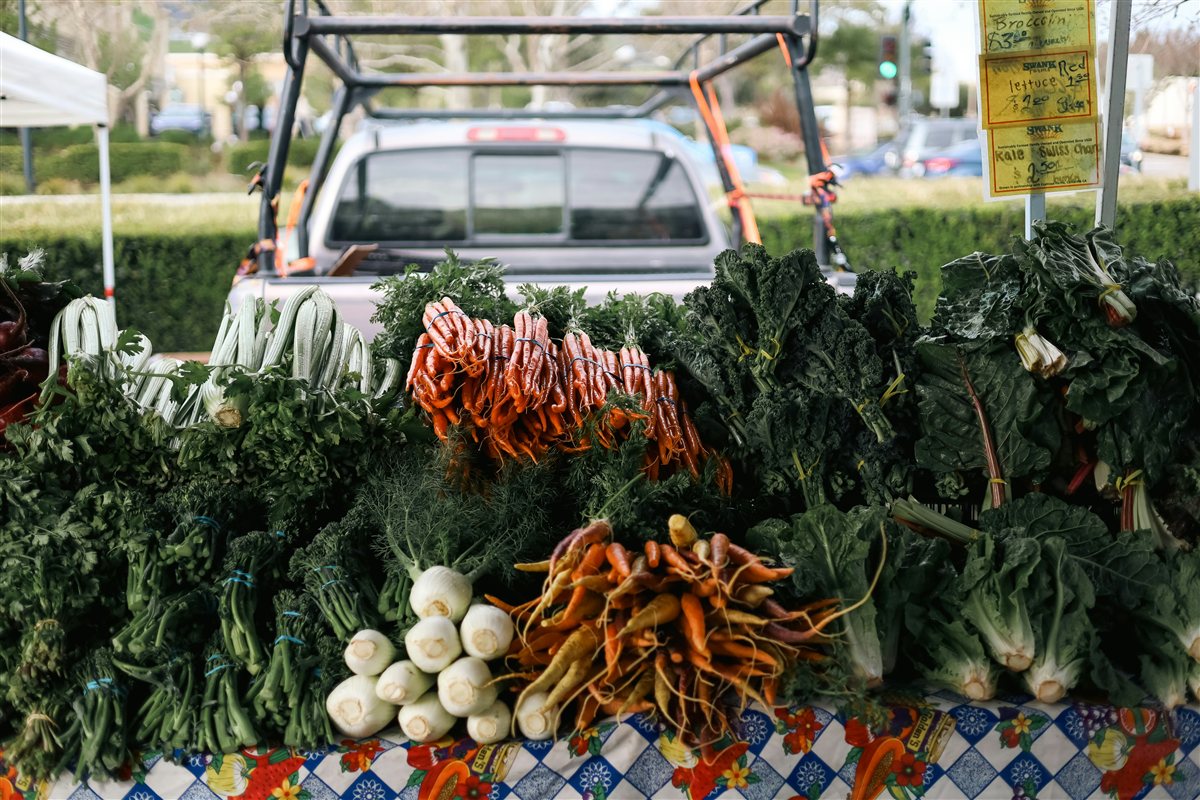
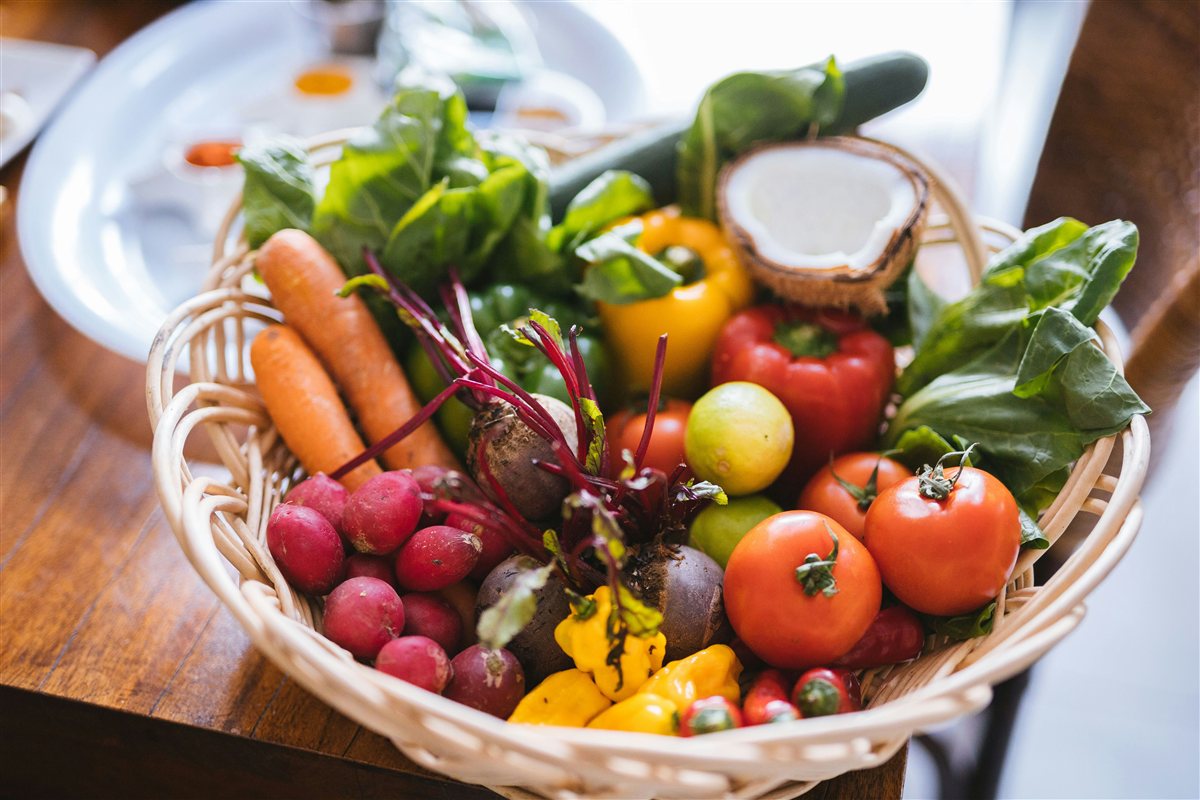
Fresh, frozen (without added sauce or seasoning), and dried (without added sugar) fruits and vegetables are all whole foods. This is the category most people already have some of in their kitchen, and the best place to start. Every colour represents a different set of phytonutrients, so variety is genuinely valuable here.
Frozen vegetables are just as nutritious as fresh, and often more so, they're harvested and frozen at peak ripeness, while "fresh" produce may have spent days in transit. Keep a bag of frozen spinach, peas, or mixed vegetables in the freezer and you always have a whole food on hand.
Whole grains still have all three layers of the grain intact: the bran (fibre, B vitamins, minerals), the germ (healthy fats, antioxidants), and the endosperm (carbohydrates and protein). Refined grains (white flour, white rice, most breakfast cereals) have had the bran and germ stripped away, leaving mostly starch with very little nutritional value.
Brown rice, oats, quinoa, barley, buckwheat, and whole wheat bread are all whole grain foods. They take slightly longer to cook than their refined counterparts, but they keep you fuller for longer, support steadier blood sugar, and feed the beneficial bacteria in your gut. The swap from white rice to brown, or from white bread to a genuinely wholegrain loaf, is one of the simplest and most impactful changes you can make.
Beans, lentils, chickpeas, and peas are among the most nutrient-dense foods on the planet, and consistently among the most affordable. They provide plant-based protein, soluble and insoluble fibre, iron, folate, and a range of minerals. They're also one of the best foods you can eat for your gut microbiome, feeding the beneficial bacteria that research increasingly links to everything from mood to immunity.
Tinned legumes are perfectly good whole foods. Drain and rinse them, and they're ready in seconds. A tin of chickpeas or lentils can transform a simple dish into something nourishing and filling with almost no effort at all.
Raw or plain-roasted nuts and seeds (almonds, walnuts, cashews, sunflower seeds, pumpkin seeds, chia seeds, flaxseed) are excellent whole foods. They're calorie-dense, so a small amount goes a long way, but they provide healthy fats, protein, fibre, vitamins, and minerals that are genuinely hard to get elsewhere in a typical diet.
Walnuts in particular deserve a mention: they're one of the richest plant sources of omega-3 fatty acids, which have significant anti-inflammatory properties and support brain and heart health. A small handful of mixed nuts as a snack is one of the most straightforward nutrition upgrades you can make.
Eggs, fish, poultry, and meat (in their unprocessed form) are whole foods. A chicken breast is a whole food. Chicken nuggets are not. Salmon is a whole food. A fish finger with a list of ingredients you can't pronounce is not. The question is always simple: has it been significantly changed from its original form?
Eggs deserve special recognition. They are one of the most complete, affordable, and versatile whole foods available. Despite decades of unfounded concern about cholesterol, the research is clear that eggs are nutritionally excellent for most people, containing high-quality protein, healthy fats, vitamins B12 and D, choline (vital for brain health), and meaningful amounts of selenium, zinc, and iron.
Don't let "perfect" be the enemy of "better." A meal that's 80% whole foods is infinitely better than a perfect plan you never actually follow. When you're starting out, don't overhaul everything at once, just find one meal a day and make it mostly whole food. Start there. That's enough.
What Whole Foods Are Not
It's worth being clear about what doesn't count, not to create rules, but to help you read a label honestly. Ultra-processed foods are the opposite of whole foods. They're products manufactured from cheap ingredients, restructured and combined with a long list of additives (emulsifiers, flavour enhancers, artificial colours, preservatives, and stabilisers) to make them palatable, shelf-stable, and addictive.
Ultra-processed foods make up a frightening proportion of what most people eat in the modern world. Research consistently links high intake of ultra-processed foods to increased risk of obesity, type 2 diabetes, cardiovascular disease, depression, and certain cancers. This is not alarmism. It is the settled consensus of a large and growing body of nutritional science.
But here is the important thing: this is not about guilt. Most of us grew up eating some of these foods, and many of them are deeply embedded in culture, tradition, and comfort. The goal is not elimination, it's gradual replacement. Every time you choose an apple over a cereal bar, or eggs over a breakfast biscuit, or a real meal over a ready-meal, you are making a difference. Small shifts, made consistently, add up to something real.
How to Start Without Overwhelming Yourself
The most common mistake people make when they decide to "eat healthier" is trying to change everything at once. They clear out the fridge, download three apps, and plan a week of elaborate meals, and by Wednesday they've ordered a pizza and abandoned the whole project. Real change doesn't work that way.
Start with one meal. Choose the meal you have the most control over (usually breakfast) and make it mostly whole food. Porridge with fruit. Eggs with vegetables. Yoghurt with nuts and berries. Just that. Don't touch your lunch or dinner yet.
Stock your kitchen strategically. You'll naturally eat what's easy and available. If whole foods are at the front of your fridge and on your counter, you'll reach for them. A well-stocked whole food pantry makes good choices the path of least resistance.
Batch cook one thing per week. A pot of grains, a tray of roasted vegetables, a batch of hard-boiled eggs. Having something ready in the fridge means "I don't have time to cook" stops being an excuse. Even ten minutes on a Sunday morning changes your whole week. The Sunday Meal Prep Reset is a good place to start.
Be curious, not rigid. Whole food eating isn't a set of commandments. It's a direction. Try a new grain. Roast a vegetable you've never cooked before. Explore a different way to use lentils. Curiosity sustains change in a way that willpower never can.
"Your body knows how to be healthy. It just needs you to give it real food, consistently, and get out of the way."
Mama SaraIf you want a structured starting point, the First Week of Whole Food Eating Meal Plan maps out exactly what to eat across seven days: no calorie counting, no complicated recipes, just real food in sensible amounts. And if you want to understand the bigger picture of what eating well does for your body, the guide to anti-inflammatory eating is the natural next step from here.