The idea that food can be medicine is not a new-age notion. It is one of the oldest ideas in human history. Long before pharmaceutical companies and modern clinical trials, people relied on what grew in their gardens and sat in their kitchens to manage everything from a sore throat to an upset stomach. Much of that traditional knowledge has now been validated by research. Some of it has been overstated. And some has been quietly set aside in favour of more profitable alternatives.
This article is not about replacing medical care. It is about recognising that your kitchen cupboard contains genuine, evidence-informed tools for everyday wellness: things that can soothe, support, and strengthen your body without a prescription or a price tag. Ten of them are listed below.
"The kitchen has always been the first medicine cabinet. We just forgot to look there."
Mama SaraRaw honey (not the heat-processed variety sold in most supermarkets, but genuine raw or manuka honey) is one of the most studied natural antimicrobials in the world. It contains hydrogen peroxide, bee defensin-1, and a range of polyphenols that give it measurable antibacterial and antifungal properties. Research consistently supports its use for soothing sore throats and suppressing coughs; a 2012 study in the journal Pediatrics found it outperformed a common over-the-counter cough suppressant in children.
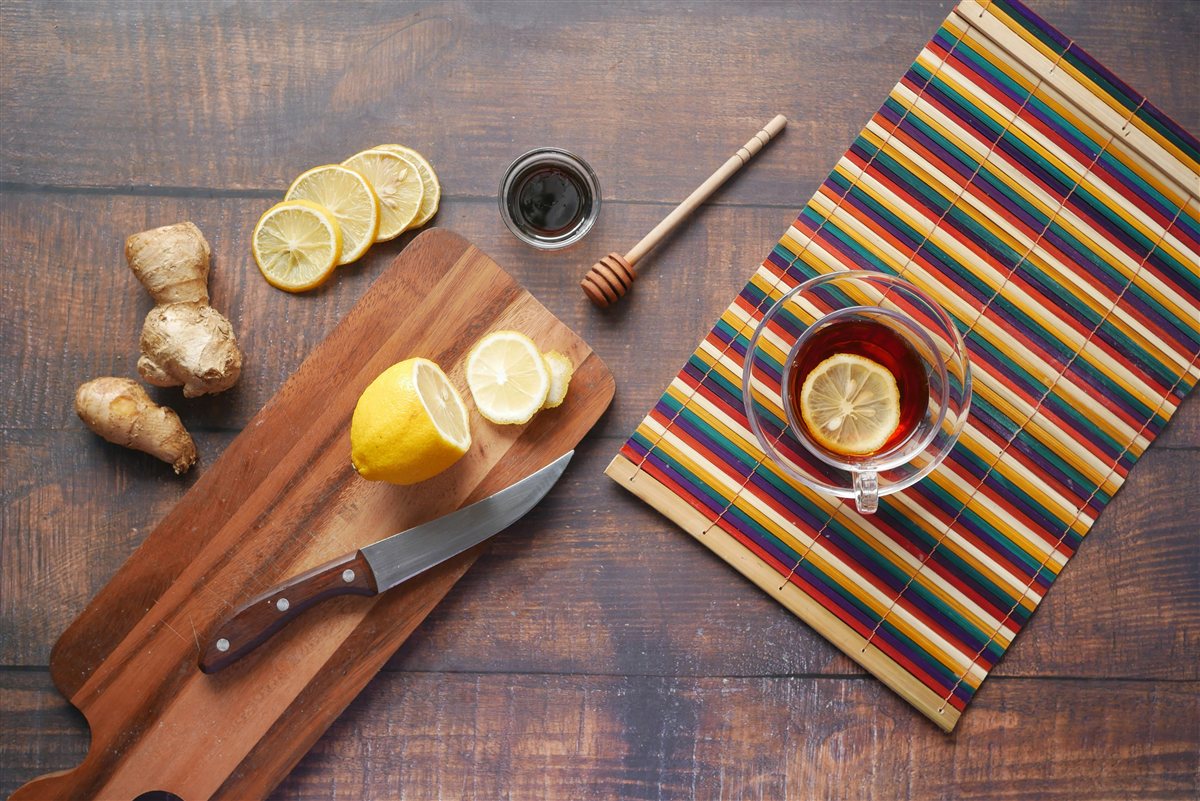
Honey also has genuine wound-healing properties. Medical-grade honey is used in clinical settings for this purpose. At home, a teaspoon of raw honey in warm water with lemon is one of the most effective sore throat remedies you can make in two minutes.
Ginger is arguably the most rigorously studied natural remedy in the cupboard. Its active compound, gingerol, has well-documented anti-inflammatory and antioxidant effects. The evidence for ginger as an anti-nausea remedy is particularly strong. Clinical trials support its use for morning sickness, post-operative nausea, chemotherapy-induced nausea, and motion sickness. It is one of the few natural remedies for which there is genuine clinical-grade evidence.
Beyond nausea, ginger has been shown to reduce muscle soreness after exercise, ease menstrual pain comparably to ibuprofen in some studies, and support digestion by speeding gastric emptying. Fresh ginger tea (a thumb of fresh root, simmered in water for ten minutes) is one of the most useful things you can make when you're feeling unwell. For more on ginger as a whole food, see the superfoods guide.
Allicin (the sulphur compound released when garlic is crushed or chopped) has measurable antimicrobial properties against a wide range of bacteria, viruses, and fungi. A well-conducted randomised trial published in Advances in Therapy found that participants taking a daily allicin supplement had significantly fewer colds, and when they did catch colds, recovered faster than those taking a placebo. Regular garlic consumption is also associated with modest reductions in blood pressure and LDL cholesterol.
The key is the allicin activation: chop or crush garlic and leave it for five to ten minutes before cooking to allow the enzyme reaction to complete. Eating raw garlic is more potent, but cooked garlic still delivers meaningful benefit. A clove a day (in your cooking, your dressings, your soups) is one of the simplest preventative habits in this list.
Lemon's value as a remedy rests primarily on its vitamin C content and its alkalising effect on the body once metabolised. Vitamin C is essential for immune function, collagen synthesis, and iron absorption, and while it won't prevent a cold outright, adequate vitamin C intake shortens cold duration and reduces severity. The flavonoids in lemon zest have anti-inflammatory and antioxidant properties that the juice alone doesn't provide.
Warm water with lemon first thing in the morning stimulates digestive enzyme production, supports liver detoxification pathways, and provides a gentle kick-start to the digestive system. It is not a miracle cure, but it is a simple, cheap, and genuinely beneficial habit. Always use warm rather than boiling water to preserve the vitamin C.
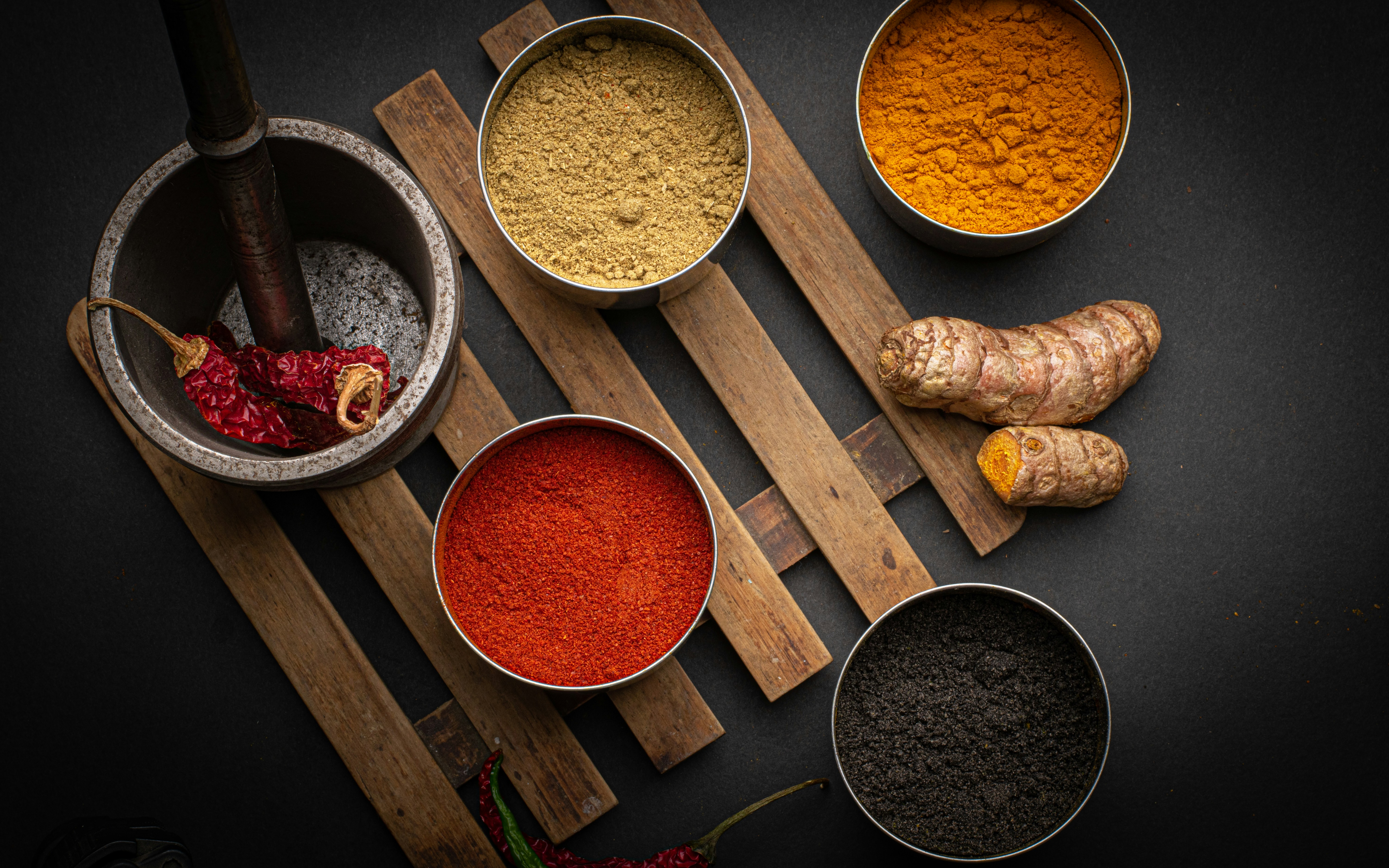
Curcumin, the active compound in turmeric, is one of the most extensively studied anti-inflammatory substances in nutritional science. The research base is large and consistent: curcumin inhibits multiple pathways involved in chronic inflammation, with effects comparable in some studies to pharmaceutical anti-inflammatories, without the side effects of long-term NSAID use. It has been studied for arthritis, metabolic syndrome, depression, and cognitive decline, with promising results across all.
The significant caveat is bioavailability: curcumin is poorly absorbed on its own. Combining turmeric with black pepper (which contains piperine) increases absorption by up to 2,000%. A fat source also helps, which is why traditional golden milk, made with turmeric, black pepper, and a fat-containing milk, is a genuinely well-constructed remedy. For more on turmeric as a food, see the anti-inflammatory foods guide.
Natural remedies work best as consistent daily habits, not emergency measures. A garlic clove in Monday's pasta does more good over time than a handful of supplements when you already have a cold. Think of this list as a maintenance toolkit, not a crisis kit, though most of these work well in both contexts.
Apple cider vinegar has acquired a somewhat oversold reputation in wellness circles, but there is solid evidence for a few specific uses. The most robust finding relates to blood sugar regulation: multiple studies show that taking a small amount of apple cider vinegar before or with a high-carbohydrate meal measurably reduces the post-meal blood sugar spike. This is relevant for anyone managing blood sugar, insulin resistance, or simply looking to maintain more stable energy levels.
The acetic acid in ACV also has antimicrobial properties and may support gut health in modest ways. Always dilute it (one to two teaspoons in a large glass of water) and never drink it neat, as its acidity can damage tooth enamel and the oesophagus. Choose raw, unfiltered ACV with the "mother" (the cloudy strand of beneficial bacteria and enzymes) for maximum benefit.
Cinnamon is one of the most potent antioxidant spices in the world by weight, more so than oregano, cloves, and most culinary herbs. Its most clinically supported application is blood sugar regulation: the compound cinnamaldehyde improves insulin sensitivity and slows the rate at which glucose enters the bloodstream. Several meta-analyses have confirmed a meaningful reduction in fasting blood glucose and HbA1c in people with type 2 diabetes who consume cinnamon regularly.
Choose Ceylon cinnamon (true cinnamon) over Cassia cinnamon if you plan to use it daily. Cassia contains higher levels of coumarin, which can be harmful in large amounts over time. A quarter to half a teaspoon of Ceylon cinnamon in your morning porridge is a simple, flavourful way to harness this benefit every day.
Peppermint (fresh leaves, dried, or as a pure essential oil applied topically) has some of the strongest evidence of any natural remedy for two specific conditions: irritable bowel syndrome and tension headaches. For IBS, enteric-coated peppermint oil capsules have repeatedly outperformed placebo in clinical trials, reducing abdominal pain, bloating, and bowel irregularity. The mechanism is well understood: menthol relaxes the smooth muscle of the gut, reducing spasm.
For headaches, applying diluted peppermint essential oil (or simply a peppermint balm) to the temples and forehead has been shown in controlled trials to be as effective as paracetamol for tension headaches. Fresh peppermint tea is gentler and still provides meaningful digestive relief: a cup after a heavy meal is one of the most effective and pleasant digestive aids available.
Coconut oil's internal health claims have been significantly overstated. It is high in saturated fat and should not be consumed freely as a health food. However, its external applications are genuinely well-supported. The lauric acid in coconut oil has demonstrated antimicrobial and antifungal properties; it is an effective and gentle moisturiser; and its use in oil pulling (swishing a tablespoon in the mouth for ten minutes) has clinical support for reducing oral bacteria, plaque, and gingivitis.
Used topically on dry skin, cracked heels, or as a hair mask, it is one of the most effective and affordable natural treatments available. Used in cooking in small amounts, it adds flavour and is stable at high heat, unlike many vegetable oils that oxidise when heated. The key is proportionality: a useful tool in modest quantities, not a miracle fat to pour on everything.
Capsaicin (the compound responsible for chilli's heat) is one of the most pharmacologically active substances in the kitchen. Topically, capsaicin cream is a well-established treatment for pain: it works by depleting substance P, a neurotransmitter involved in pain signalling, leading to sustained pain relief for conditions including osteoarthritis, nerve pain, and psoriasis. This isn't folk medicine. Capsaicin is an approved ingredient in licensed pharmaceutical products.
Internally, chilli consumption is associated with increased metabolism, reduced appetite, and, in large epidemiological studies, with lower rates of cardiovascular disease and all-cause mortality. It also clears congestion, stimulates circulation, and has meaningful antimicrobial properties. A pinch of chilli flakes in your food is genuinely doing something useful.
A Note on Using These Well
Natural remedies work best when they are used consistently, in food form, as part of a diet built around whole foods. A diet rich in varied, minimally processed ingredients delivers dozens of these compounds daily, not in isolation, but in combination, the way the body is accustomed to receiving them.
None of the remedies in this list are substitutes for medical care when medical care is needed. If you have a persistent condition, are pregnant, or are taking medication, speak to a healthcare professional before using any of these therapeutically. Some (garlic, ginger, and turmeric in particular) interact with blood-thinning medication and should be discussed with your doctor if you are taking anticoagulants.
With those caveats in place: your kitchen cupboard is already a medicine cabinet. You just need to use it.
"Eat your medicine every day, quietly, in your meals, in your tea, in your habits, and you'll rarely need any other kind."
Mama Sara