The word "superfood" has been thoroughly hijacked by the wellness industry. It now conjures images of bright green powders, exotic berries shipped from the other side of the world, and price tags that make your eyes water. But here is the truth they don't want you to know: the most nutritionally powerful foods on the planet are also the most ordinary ones.
They've been sitting in your kitchen this whole time, possibly pushed to the back of the shelf, maybe a little forgotten. Today we're bringing them forward. These five foods are easy to find, affordable to buy, simple to use, and backed by decades of solid nutritional research. No hype. No health claims that sound too good to be true. Just real food doing what real food has always done.
"The best superfood is the one you'll actually eat. And that almost always means the one you already know."
Mama SaraThe Five Everyday Superfoods
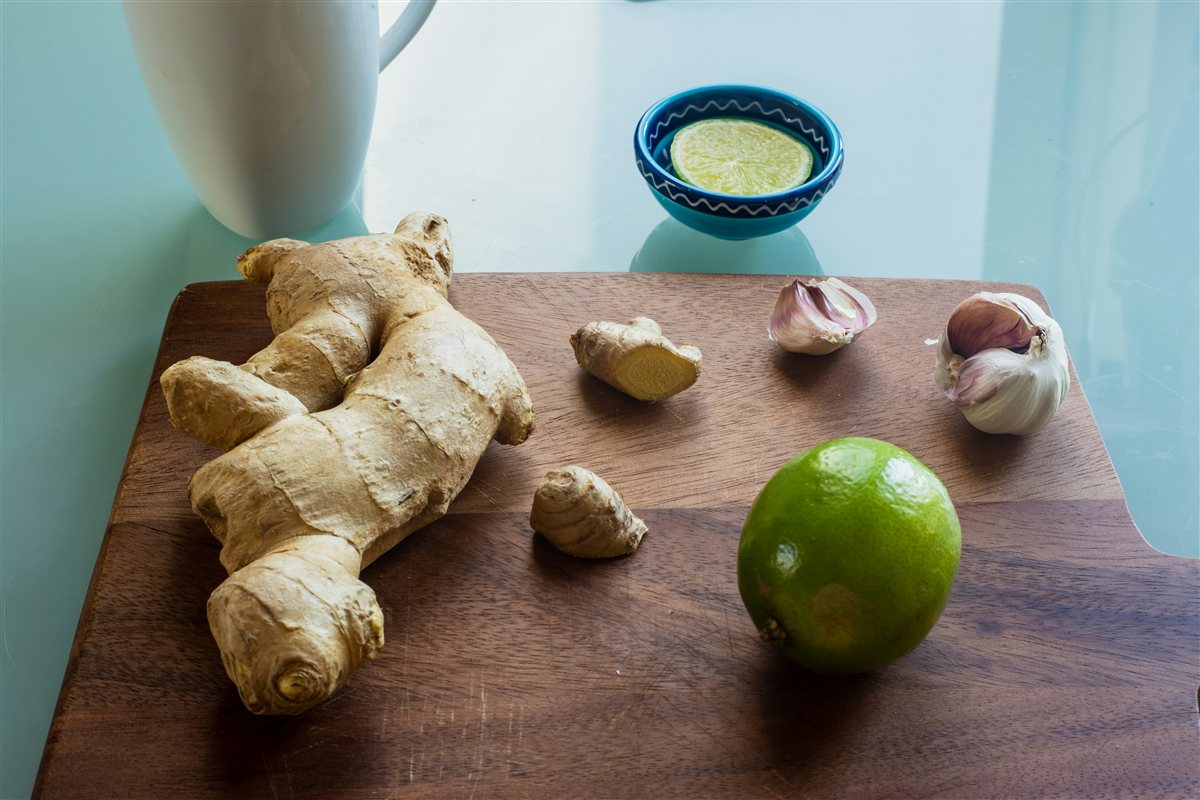
Garlic has been used as both food and medicine for thousands of years, and modern science has finally caught up with what grandmothers always knew. Its active compound, allicin, is released when you crush or chop a clove, and it's responsible for most of garlic's impressive health benefits. It supports a healthy immune system, has natural antimicrobial properties, and research suggests regular consumption may help maintain healthy blood pressure and cholesterol levels.
The trick is to let it sit for five to ten minutes after chopping before it hits heat. This gives the allicin time to fully activate. A little patience at the chopping board goes a long way.
There is almost no meal that isn't improved by a squeeze of lemon, and that's not just a culinary opinion. Lemons are an excellent source of vitamin C, a powerful antioxidant that supports immune function, skin health, and iron absorption. The zest contains flavonoids that have been linked to reduced inflammation, and the juice can help stimulate digestive enzymes, particularly when taken first thing in the morning.
Don't throw away the zest. It contains concentrated oils and nutrients that the juice alone doesn't have. A fine grater and a lemon can transform a simple dish into something that tastes genuinely alive.
Keep a bowl of lemons on your kitchen counter, not hidden in the fridge. When they're visible, you'll use them. When they're out of sight, they'll go soft at the back of the vegetable drawer, and you'll reach for something processed instead.
Ginger is one of those foods that earns its reputation quietly. It doesn't shout. It just works. The bioactive compound gingerol gives ginger its distinctive warmth and is responsible for its well-documented anti-inflammatory and antioxidant effects. It's been shown to ease nausea reliably (whether from morning sickness, travel, or an unsettled stomach) and there is good evidence for its role in reducing muscle soreness and supporting digestion.
Fresh ginger and dried ginger behave quite differently in the body. Fresh is more effective for nausea and digestion; dried has a stronger anti-inflammatory profile. Keep both on hand if you can. A small knob of fresh ginger in the freezer grates beautifully straight from frozen and keeps for months.
Oats are perhaps the most underrated food in the kitchen. They're cheap, filling, endlessly versatile, and nutritionally remarkable. They're one of the richest sources of beta-glucan, a type of soluble fibre that has been shown to lower LDL cholesterol, stabilise blood sugar levels, and feed the beneficial bacteria in your gut. They're also a surprisingly good source of plant-based protein, B vitamins, and minerals including iron and magnesium.
Choose rolled or steel-cut oats rather than the instant variety. Instant oats are pre-cooked and often contain added sugar, and they digest too quickly to deliver the slow-release energy that makes oats so valuable. A bowl of proper porridge, made slowly and with a little patience, is one of the most nourishing breakfasts you can eat.
Spinach is quietly extraordinary. A single large handful contains meaningful amounts of vitamin K, vitamin A, folate, iron, calcium, and magnesium, all for almost no calories. It's also rich in lutein and zeaxanthin, antioxidants that support eye health and protect against cellular damage. And because its flavour is so mild, it's one of the easiest vegetables to eat in real quantities without feeling like you're trying.
A note on iron absorption: spinach contains non-haem iron, which the body absorbs less efficiently than the iron in meat. Pairing spinach with a source of vitamin C (a squeeze of lemon, a handful of cherry tomatoes, some sliced red pepper) dramatically improves how much iron you actually absorb. It's one of those small combinations that makes a genuine difference.
The Simple Truth About Superfoods
Notice anything about that list? Not a single item that costs a fortune. Not one ingredient you'd need to order online or explain to a confused cashier. Every single one of these foods can be found in any supermarket, in any town, on any budget. That's not a coincidence. It's the point.
The wellness industry profits from making health feel complicated and exclusive. The reality is much simpler and much kinder: eat whole foods, eat them regularly, and vary what you choose. Garlic in Monday's pasta. Spinach in Tuesday's eggs. Ginger in Wednesday's tea. Oats on Thursday morning. Lemon on everything, always.
You don't need a supplement stack. You don't need a detox programme. You need a well-stocked kitchen and the quiet confidence that ordinary food, eaten with intention, is enough. Pair these ingredients with proper daily hydration and a broader focus on anti-inflammatory eating, and you have a genuinely powerful foundation.
"Your pantry is already a pharmacy. You just have to open the door and look."
Mama SaraStart with whichever of these five feels most natural to you right now. Add it to meals this week, not as a rule, just as an experiment. See how it feels. Then add another. This is how a nourishing life is built: one quiet, ordinary, powerful ingredient at a time.