Your gut contains approximately 38 trillion bacteria, more microbial cells than human cells in your entire body. This community, known as the microbiome, influences not just your digestion but your immune system, your mood, your skin, your sleep, and your risk of a remarkable range of chronic conditions. It is, in a very real sense, a second brain.
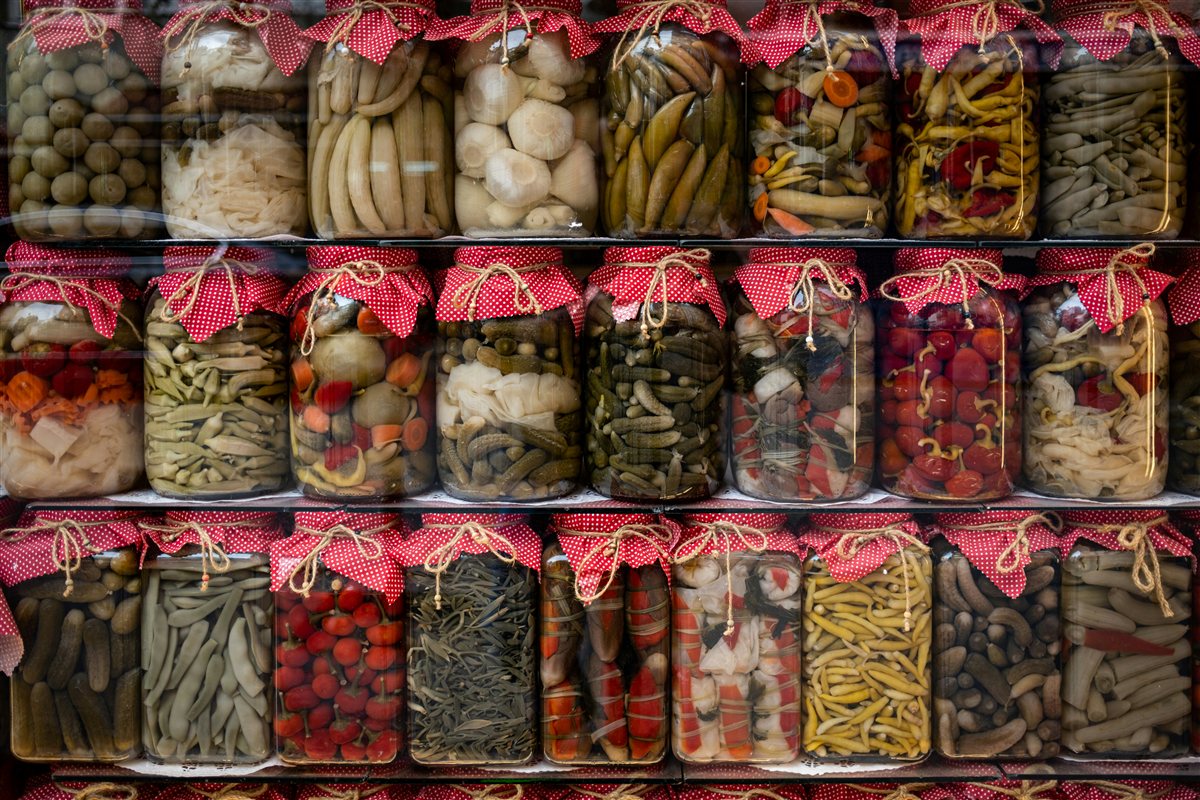
And like any community, it thrives when it's diverse, well-fed, and supported. Fermented foods are one of the most powerful ways to do exactly that. They introduce live beneficial bacteria directly into the gut, feed the bacteria that are already there, and have been part of human diets on every continent for thousands of years, long before anyone knew what a microbiome was.
The modern world has largely stripped them from our tables. It's time to bring them back. And the good news is: you don't need to make anything yourself to start.
"A diverse gut microbiome is one of the strongest predictors of overall health we have. And the simplest way to build one is to eat a wide variety of fermented foods, regularly."
Mama SaraFive Fermented Foods to Start With
Finely shredded cabbage fermented in its own brine. That's it. Sauerkraut is perhaps the most accessible fermented food there is: mild in flavour, versatile in the kitchen, and packed with Lactobacillus bacteria that have been shown in research to support gut health, reduce inflammation, and improve immune function.
The critical thing: buy raw, unpasteurised sauerkraut from the refrigerated section, not the shelf-stable jars. Pasteurisation kills the live bacteria that make it valuable. Look for brands with no ingredients other than cabbage and salt. Add a forkful to the side of any savoury meal: it goes particularly well with eggs, grain bowls, and anything on toast.
A fermented milk drink with the consistency of thin yogurt and a pleasantly tangy flavour. Kefir contains a significantly more diverse range of beneficial bacteria and yeasts than yogurt, often 30 or more different strains versus the 2–7 typically found in commercial yogurt. It's also lower in lactose than regular milk, as the fermentation process breaks down much of the lactose, making it tolerable for many people who are lactose sensitive.
Use it in place of yogurt or milk in smoothies, pour it over granola and fruit, or drink it straight. A 150ml glass with breakfast three or four times a week is enough to make a meaningful difference over time. Coconut or oat kefir is available for dairy-free households.
Start small. If you're new to fermented foods, introduce them gradually (a tablespoon of sauerkraut, a small glass of kefir) and increase over a week or two. A sudden large dose of beneficial bacteria can temporarily cause bloating as your gut adjusts. Slow and steady is the approach that sticks.
A Korean staple of fermented vegetables (most commonly napa cabbage and radish) seasoned with ginger, garlic, spring onion, and gochugaru (Korean red pepper flakes). Kimchi is deeply flavourful, spicy, and complex, and has been the subject of substantial research linking regular consumption to improved gut diversity, weight management, and even skin health.
Again, buy it from the refrigerated section and check the label: it should contain only vegetables, spices, and salt, and no vinegar (which halts the fermentation process and kills the live cultures). Use it as a side dish, stir it into rice or noodles, add it to scrambled eggs, or eat it straight from the jar. Koreans eat kimchi with virtually every meal, and their gut microbiome research data is among the most impressive in the world.
A fermented paste made from soybeans, salt, and a mould culture called koji, aged anywhere from a few weeks to several years. Miso is deeply savoury (umami in its purest form), rich in beneficial bacteria and enzymes, and contains a range of vitamins including B12. White miso is mild and slightly sweet: the best starting point. Red miso is richer and more intense, excellent in stews and braises.
The golden rule: never boil miso. Heat above around 70°C destroys the live cultures. Add it at the end of cooking, dissolved in a little cold water first, and stir it in off the heat. A teaspoon of white miso dissolved in warm water with a little ginger makes an extraordinary quick broth that will do more for your gut than most supplements.
A fermented tea drink, slightly fizzy and pleasantly tart, made by fermenting sweetened tea with a SCOBY (symbiotic culture of bacteria and yeast). Kombucha contains organic acids, B vitamins, and live bacteria. It's the most approachable fermented food for those who are cautious: it tastes like a sophisticated soft drink and makes an easy swap for fizzy drinks or juice.
Choose kombucha with live cultures (listed on the label) and no more than 5–6g of sugar per 100ml. Ginger, lemon, and berry flavours are the most widely available. A small bottle three or four times a week is a painless and genuinely enjoyable way to begin feeding your microbiome.
The Bigger Picture
Fermented foods are not a cure or a supplement. They are food: real, ancient, traditionally eaten food that industrial processing removed from our diets in the twentieth century. Bringing them back, even in small amounts, is less about optimisation and more about restoring something that has always been there.
The research on the gut microbiome is still young, and scientists are only beginning to understand the full scope of its influence on our health. But the direction is clear: diversity is the goal. The more varied the bacteria in your gut, the more resilient and capable your health tends to be. And the most reliable way to build that diversity is to eat a wide variety of fermented foods, fibre-rich whole foods, and anti-inflammatory ingredients, consistently, over time.
Start with one. The sauerkraut alongside your eggs. The tablespoon of miso in your soup. The glass of kefir at breakfast. Just one, practiced until it's habit. Then add another. Your gut will notice, and so, quietly, will everything else.
"Feed your gut well and it will feed everything else. This is not a metaphor. It is biology."
Mama Sara