Inflammation is not the enemy. In the short term, it is one of the body's most important survival mechanisms: the immune system's first responder, rushing to the site of injury or infection to begin the work of repair. Without it, a cut would never heal and a cold would never resolve.
The problem is what happens when inflammation doesn't switch off. When it becomes chronic (low-grade, persistent, and operating in the background of daily life) it shifts from protector to provocateur. Researchers now link chronic inflammation to type 2 diabetes, cardiovascular disease, certain cancers, autoimmune conditions, depression, and cognitive decline. It is, in a very real sense, the common thread running through most of the major illnesses of the modern world.
The causes are well established: poor diet, chronic stress, poor sleep, sedentary lifestyle, and excess body weight all drive inflammation. And the solution, while not simple, begins in the most accessible place imaginable: the kitchen.
"Every meal is either feeding inflammation or fighting it. You don't need a special diet, you need the right ingredients, eaten regularly."
Mama SaraWhat Makes a Food Anti-Inflammatory?
Anti-inflammatory foods share a common characteristic: they are rich in compounds that either directly reduce inflammatory processes in the body, or support the systems (gut health, immune function, oxidative balance) that regulate inflammation. These compounds include omega-3 fatty acids, polyphenols, antioxidants, fibre, and certain vitamins and minerals.
Crucially, no single food will transform your health. The anti-inflammatory effect is cumulative: the result of eating a wide variety of these foods consistently over time, as part of a diet that also limits the major pro-inflammatory drivers: ultra-processed foods, refined sugar, industrial seed oils, and alcohol.
Think of it less as a treatment and more as a baseline. These ten foods, eaten weekly and rotated into ordinary meals, build a nutritional environment in which chronic inflammation struggles to take hold.
You don't need to eat all ten every week. Pick four or five that you already enjoy, and make them a consistent presence in your kitchen. Consistency with a few is worth far more than occasional efforts with many.
The Ten Foods
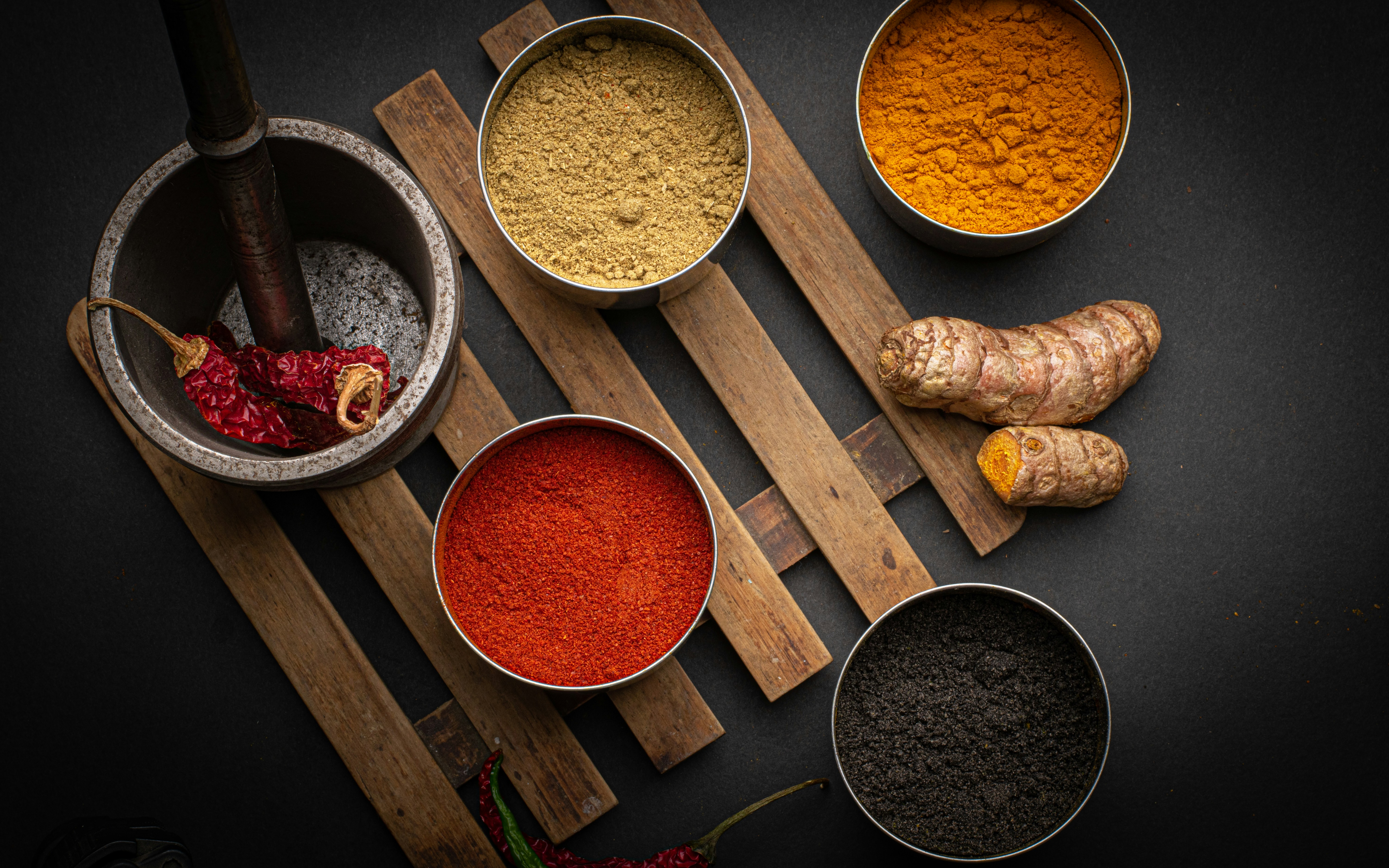
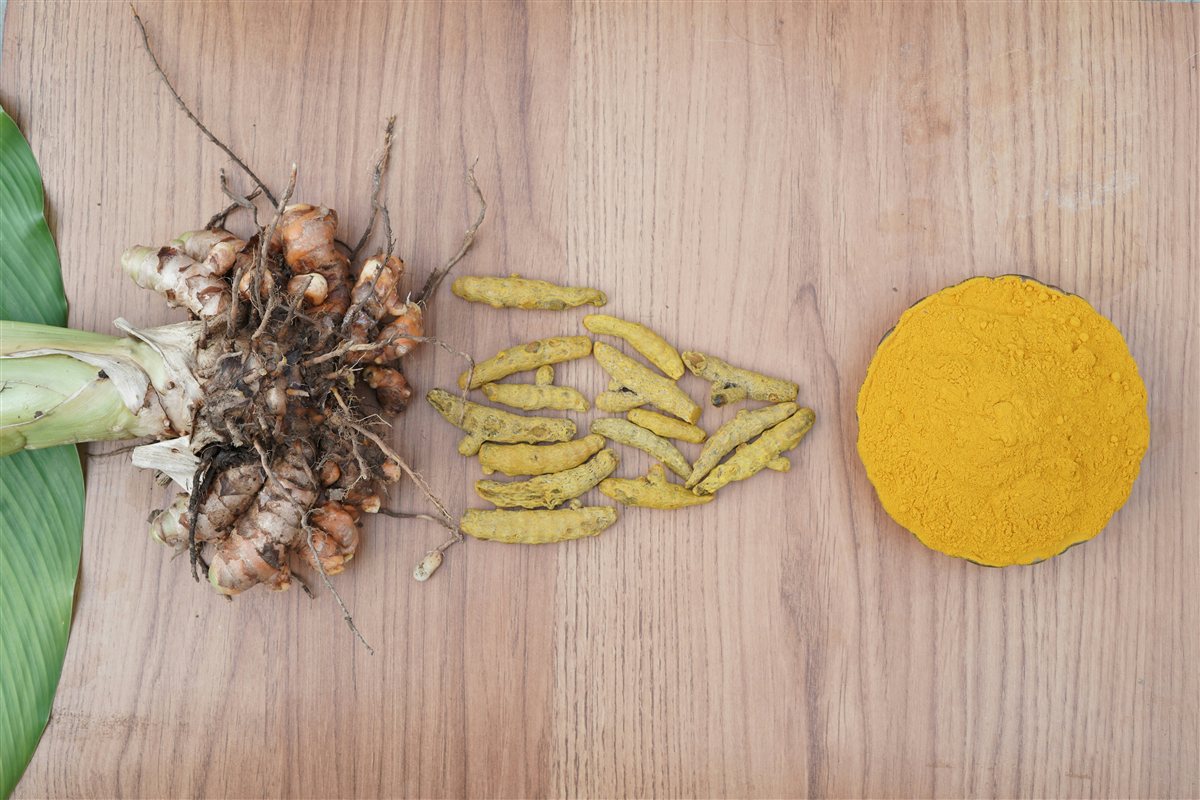
Curcumin, the active compound in turmeric, is one of the most studied natural anti-inflammatory substances in existence. Clinical trials have shown it to be comparable in effect to some non-steroidal anti-inflammatory drugs, without the side effects. The key is absorption: curcumin is poorly bioavailable on its own, but adding a small amount of black pepper (piperine) increases absorption by up to 2,000%.
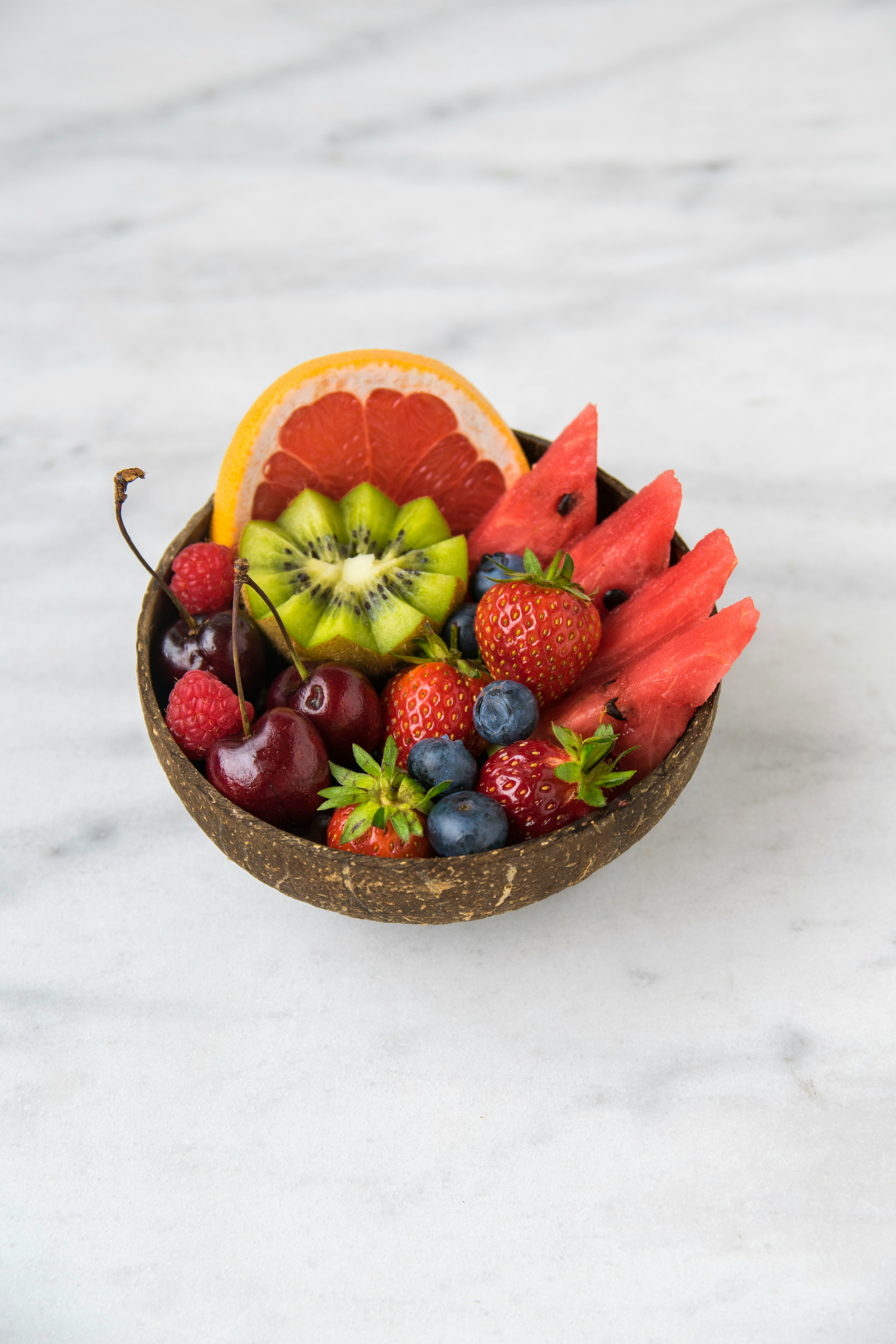
Blueberries contain some of the highest concentrations of anthocyanins (the dark blue pigments that double as powerful antioxidants) of any food. Regular consumption has been linked to reduced markers of oxidative stress and inflammation, improved insulin sensitivity, and better cardiovascular outcomes. Frozen blueberries retain their anthocyanin content and are typically cheaper than fresh.
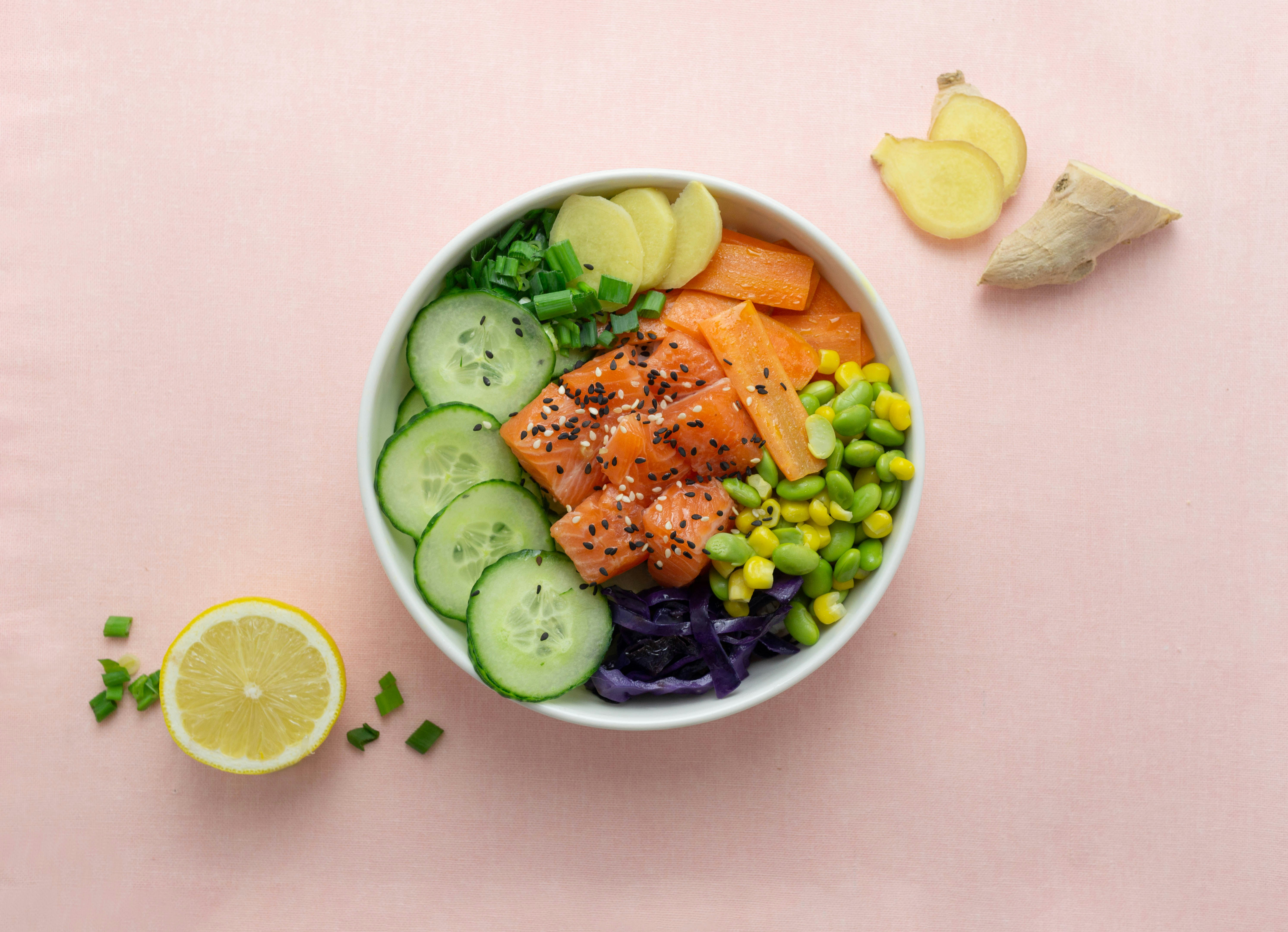
Ginger contains gingerols and shogaols: compounds with well-documented anti-inflammatory and antioxidant properties. It has been shown to reduce markers of inflammation in studies involving both healthy adults and those with inflammatory conditions. It also has a genuinely useful side effect: it supports digestion and reduces nausea, making it one of the most broadly beneficial foods you can eat daily. Fresh ginger is also one of our five everyday kitchen superfoods.
Spinach, kale, Swiss chard, rocket, and their cruciferous cousins are among the most nutrient-dense foods on the planet. They are rich in vitamins C, E, and K (all with anti-inflammatory properties), as well as magnesium, a mineral that is chronically low in most Western diets and directly involved in regulating inflammatory responses. A generous handful at every meal is one of the simplest things you can do for your long-term health.
Of all the nuts, walnuts have the highest concentration of ALA: alpha-linolenic acid, a plant-based omega-3 fatty acid. Omega-3s are the most well-evidenced dietary anti-inflammatory compounds we know of, and most people eating a Western diet are chronically deficient. A small handful of walnuts daily (around 28g) has been shown to reduce C-reactive protein, one of the key blood markers of systemic inflammation.
Extra virgin olive oil contains oleocanthal, a compound that inhibits the same inflammatory enzymes targeted by ibuprofen. It is also rich in oleic acid and polyphenols that protect against oxidative damage. The key word is extra virgin: refined olive oils lose much of their anti-inflammatory potency during processing. Use it generously as your primary cooking and dressing fat, and don't be shy with it.
Salmon, mackerel, sardines, anchovies, and herring are the richest dietary sources of long-chain omega-3s (EPA and DHA) that the body can use directly. Unlike the ALA in walnuts, which needs to be converted (inefficiently) to EPA and DHA, these are the finished article. The evidence linking regular fatty fish consumption to reduced inflammation, lower cardiovascular risk, and improved mood is among the most robust in nutritional science. Aim for two to three portions a week.
Broccoli is one of the most well-researched anti-inflammatory vegetables. It contains sulforaphane (a compound produced when broccoli is chopped or chewed) which activates the body's own antioxidant defence pathways. It also contains kaempferol, a flavonoid shown to reduce the impact of inflammatory agents in the body. Don't overcook it: sulforaphane is deactivated by heat, so lightly steamed or eaten raw retains the most benefit.
Green tea is one of the richest dietary sources of EGCG (epigallocatechin gallate), a catechin with powerful anti-inflammatory and antioxidant effects. Studies have shown regular green tea consumption is associated with reduced levels of inflammatory markers, lower risk of certain cancers, and improved cognitive function. Matcha (powdered whole-leaf green tea) contains significantly higher concentrations of EGCG than brewed green tea and is worth considering as a regular addition to your routine.
Dark chocolate (70% cacao or above) is rich in flavanols, a class of polyphenol with anti-inflammatory and antioxidant properties. Regular consumption has been linked to reduced blood pressure, improved blood flow, and lower inflammatory markers. The higher the cacao percentage, the lower the sugar content and the higher the flavanol concentration. A small square or two (around 20–30g) daily is genuinely beneficial and, importantly, genuinely enjoyable.
Putting It Into Practice
The goal isn't to turn every meal into a functional medicine protocol. It's to make these ingredients a normal part of the week, unremarkable in their presence, quietly doing their work. A Sunday reset session that includes a bag of washed spinach, roasted broccoli, and a cooked grain sets you up to eat four or five of these foods without any extra thought during the week.
The Slow Food philosophy applies here: real ingredients, prepared simply, eaten regularly. A bowl of oats with blueberries and walnuts. Salmon with wilted spinach and olive oil. A turmeric-spiced soup with a square of dark chocolate for afters. None of this is complicated. All of it compounds.
And if you want to take gut health seriously alongside inflammation (the two are deeply connected) the fermented foods guide is the natural companion to this article. A healthy gut microbiome is one of the body's most powerful regulators of systemic inflammation, and feeding it well is one of the highest-return investments you can make.
"The most anti-inflammatory diet in the world is the one you actually eat, consistently, pleasurably, and without punishment."
Mama Sara