Monday morning, 7am. The alarm goes. You have twenty minutes before you need to leave. Breakfast needs to happen. Lunch needs to be packed. The fridge is full of ingredients that require decisions and effort and a knife and a pan. This is where healthy eating breaks down for most people. Not through lack of intention, but through lack of time at the worst possible moment.
The Sunday reset exists to solve exactly this problem. It is not about batch-cooking twelve meals and eating the same container of food for five days. It is about removing decisions and reducing friction, so that eating well on a Tuesday evening or a Thursday morning requires almost no effort at all.
Thirty minutes. That's the investment. The return is an entire week that runs differently.
"Healthy eating doesn't fail at dinner time. It fails at 7am on Monday, when nothing is ready and everything is harder than it should be."
Mama SaraThe Philosophy: Prep Ingredients, Not Meals
The mistake most people make with meal prep is trying to cook finished meals: twelve portions of the same dish, stacked in containers like a production line. This produces two problems: boredom by Wednesday and rigidity that doesn't accommodate the reality of how weeks actually unfold.
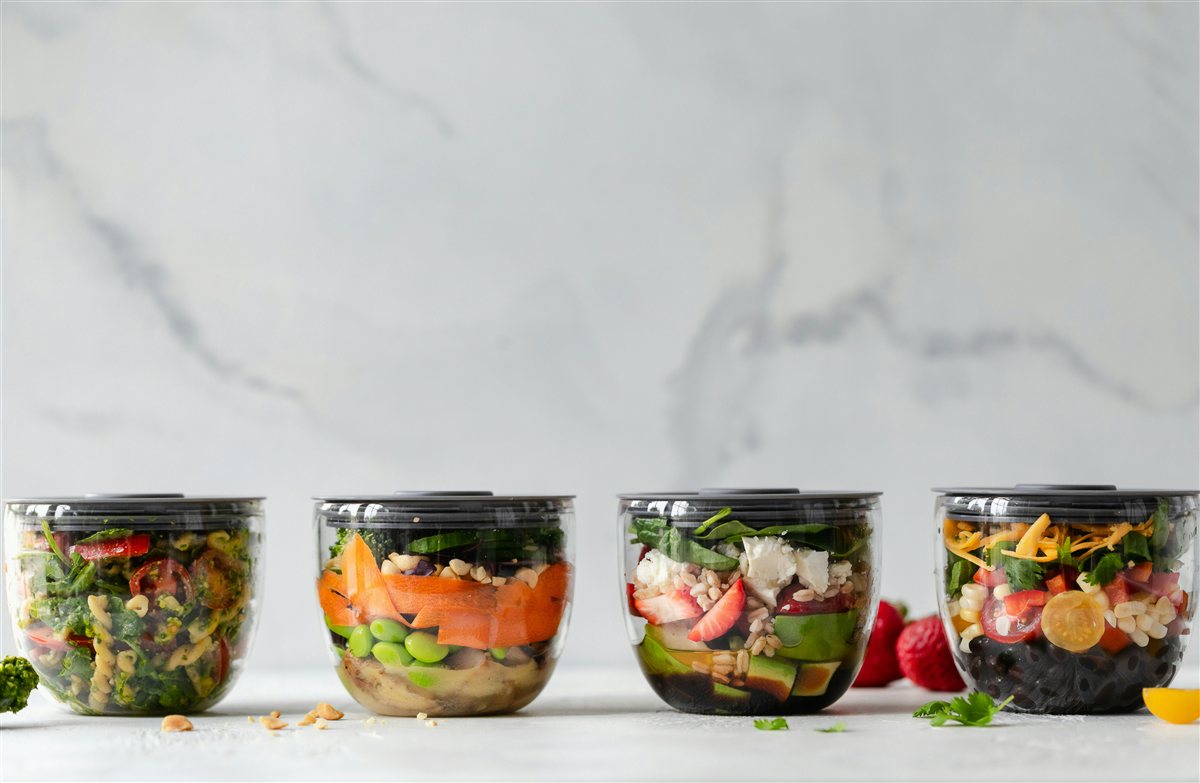
The Sunday reset takes a different approach. Prep ingredients, not meals. Cook a pot of grains. Roast a tray of vegetables. Wash and spin a bag of salad leaves. Hard boil a handful of eggs. Make a simple dressing or sauce. These building blocks take thirty minutes to prepare and thirty seconds to assemble into any number of different meals depending on what you feel like, what else is in the fridge, and how much time you have.
A container of cooked quinoa is simultaneously the base of a grain bowl on Monday, a salad addition on Tuesday, a warm side with fish on Wednesday, and fried into a quick patty on Thursday. That's not meal prep: that's ingredient intelligence.
The best time for your reset is whenever the week feels most calm: Sunday afternoon for most people, but Saturday morning works just as well. The timing matters less than the consistency. One focused session a week, repeated, changes your entire relationship with weekday eating.
What to Prep: The Core Four
You don't need to prep everything. You need to prep the four things that create the most friction during the week: the components that take the most time when you're tired and hungry and have twenty minutes before the school run.
The 30-Minute Session: Step by Step
The key to making this work is doing everything in parallel, not in sequence. While the grain cooks and the vegetables roast, you're doing everything else. Here's how a typical session flows.
-
1Start the grain first
Rinse your grain, add to a pot with water, bring to the boil and reduce to a simmer. Set a timer and leave it entirely alone. This is now cooking while you do everything else.
2 minutes active -
2Prep and roast your vegetables
Chop two or three vegetables into similar-sized pieces, toss on a baking tray with olive oil, salt and pepper, and slide into a preheated oven at 200°C. No need to be precise: roughly the same size is enough. This is now roasting while you continue.
8 minutes active -
3Wash and dry your greens
Fill a large bowl with cold water, add your leaves, swish, drain and spin dry. Layer into a container with a sheet of paper towel: it absorbs excess moisture and keeps leaves fresh for four to five days. The difference between washed and unwashed salad in terms of how often you actually eat it is dramatic.
5 minutes active -
4Make your sauce or dressing
While the oven and hob do their work: two tablespoons of tahini, a squeeze of lemon, a clove of garlic, a pinch of salt and enough water to loosen, blended or whisked into a dressing that will lift everything it touches for the next five days. Or a simple vinaigrette: one part vinegar, three parts olive oil, a teaspoon of mustard, salt and pepper. Thirty seconds in a jar.
3 minutes active -
5Add any extras while you wait
Hard boil four eggs. Open and drain a can of chickpeas and toss with spices. Slice some cucumber or cherry tomatoes. Chop an onion. These small extras (done while everything else finishes) add variety to the week without adding meaningful time to the prep session.
5–10 minutes active -
6Cool and store everything
Let your grain and vegetables cool for ten to fifteen minutes before sealing: condensation in a closed container shortens shelf life significantly. Glass containers are worth the investment: you can see exactly what's inside, which makes you more likely to use it. Label with the date if it helps.
2 minutes active
What the Week Looks Like After
With your core four prepped, the week's meals essentially assemble themselves. Monday's lunch is a grain bowl: quinoa, roasted vegetables, greens, dressing, an egg. Tuesday's dinner is a quick stir-fry using the prepped vegetables with whatever protein is in the fridge. Wednesday's salad takes three minutes to put together. Thursday morning's breakfast is an egg and some leftover grains with a handful of spinach wilted in a pan.
None of these are recipes. They're just ingredients, assembled differently, that take five minutes instead of forty-five. And the cumulative effect (of eating well every day rather than most days) is the point.
The Sunday reset is not about perfection. Some weeks you'll manage all four components. Some weeks you'll only have time to cook a grain and wash the greens. Both are infinitely better than starting the week with nothing prepped at all. Do what you can. It compounds.
"The best meal prep is the one that's already done. Every bowl assembled at 7am from things that were prepped on Sunday is a small victory: a future you thanking a past you."
Mama SaraTry it this Sunday. Set a timer for thirty minutes, put on a podcast or some music, and work through the four components. Then open the fridge on Monday morning and notice how different it feels to have a week that's already, quietly, prepared.