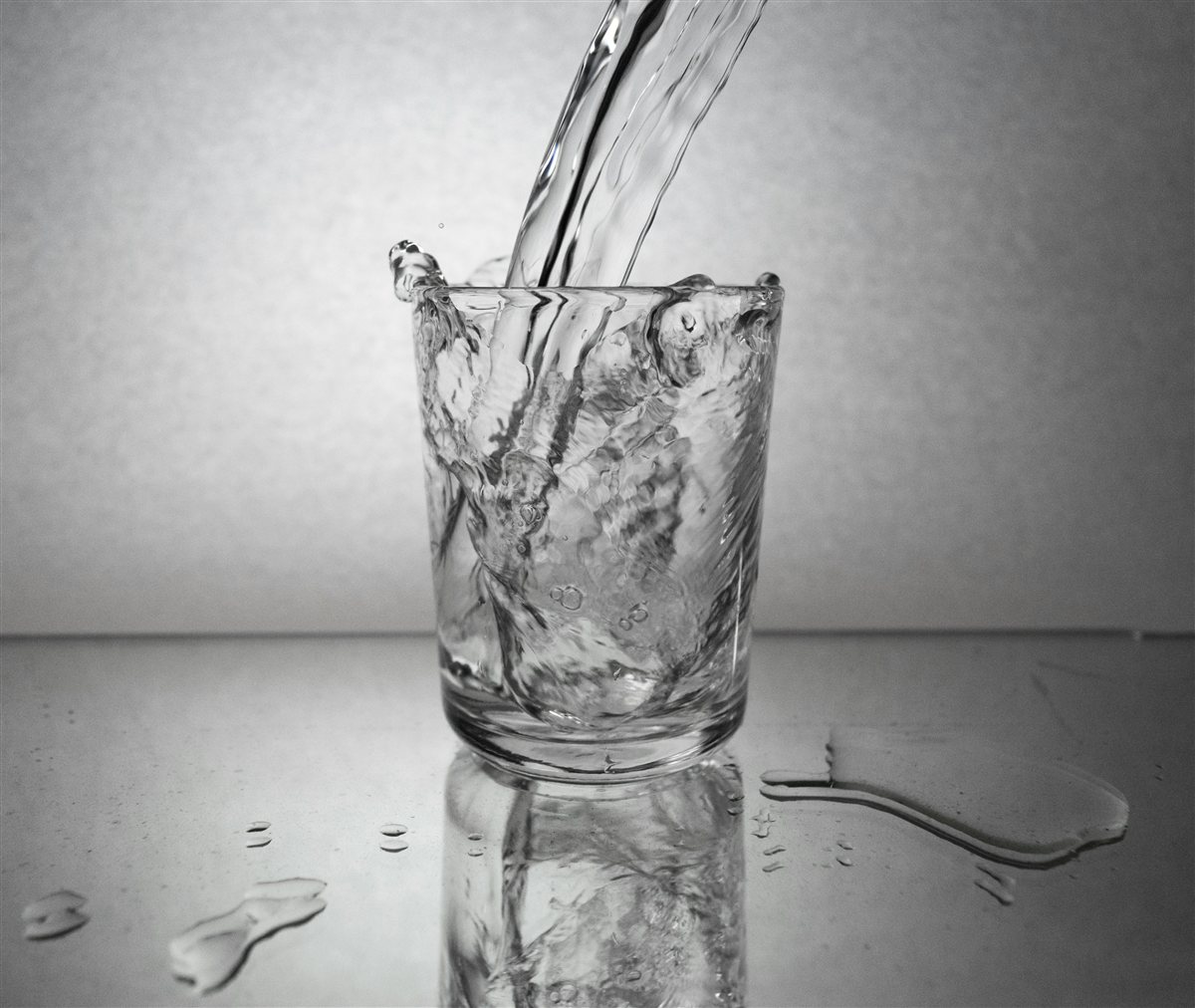
Here is a question worth sitting with: when did you last drink a glass of water? Not coffee. Not juice. Not a sparkling water with flavouring. Plain water. If you have to think about it, the answer is probably too long ago, and you are far from alone.
Studies consistently show that a significant proportion of adults in developed countries are in a state of mild, chronic dehydration. Not the dramatic dehydration of a marathon runner or someone stranded in a desert, but a quiet, low-level fluid deficit that hums along in the background, affecting how you think, how you feel, and how your body functions, without ever quite registering as thirst.
That last part is the key. By the time you feel thirsty, you are already mildly dehydrated. Thirst is a lagging indicator, not a real-time alarm. Which means most of us are relying on a warning system that fires too late.
"Water is the most essential nutrient you consume. Not a vitamin, not a mineral: water. And most of us treat it as an afterthought."
Mama SaraThe Signs You're Probably Ignoring
Mild dehydration disguises itself remarkably well. Most of its symptoms are so common that we've normalised them as simply "how we feel", rather than recognising them as signals from a body that needs more water.
-
The 3pm energy slump
That familiar afternoon drop in energy and concentration is one of the most common symptoms of mild dehydration. Even a 1–2% reduction in body water can impair cognitive performance and mood, and that level of dehydration is easy to reach simply by not drinking enough during a busy morning.
-
Headaches
The brain floats in cerebrospinal fluid. When you're dehydrated, that fluid reduces slightly, causing the brain to pull away from the skull, triggering the nerve receptors that produce headache pain. Mild dehydration is one of the most underdiagnosed causes of regular, low-grade headaches.
-
Difficulty concentrating
Your brain is approximately 75% water. When fluid levels drop, neural signalling slows. Studies have found that mild dehydration produces measurable impairment in short-term memory, attention, and the speed at which people process information, effects similar in scale to mild sleep deprivation.
-
Hunger when you've just eaten
The hypothalamus (the brain region that regulates both hunger and thirst) can confuse the two signals. Reaching for a snack when you're actually dehydrated is an extraordinarily common pattern, and a significant contributor to habitual overeating. Before snacking, drink a glass of water and wait ten minutes.
-
Dull or congested skin
The skin is the body's largest organ, and it's one of the last to receive water during dehydration: the body prioritises vital organs first. Chronically under-hydrated skin loses elasticity, appears duller, and is more prone to congestion. No serum will compensate for what a properly hydrated body provides from the inside.
The simplest way to check your hydration level is the colour of your urine. Pale straw yellow means you're well hydrated. Dark yellow or amber means drink water now. Clear means you may actually be slightly over-hydrated. Aim for pale straw, consistently throughout the day.
How Much Do You Actually Need?
The "eight glasses a day" rule is a simplification: a useful starting point that doesn't account for body size, activity level, climate, or diet. A more accurate guide: roughly 35ml of water per kilogram of body weight per day, increased by around 500ml for every hour of moderate exercise, and more in hot weather or when ill.
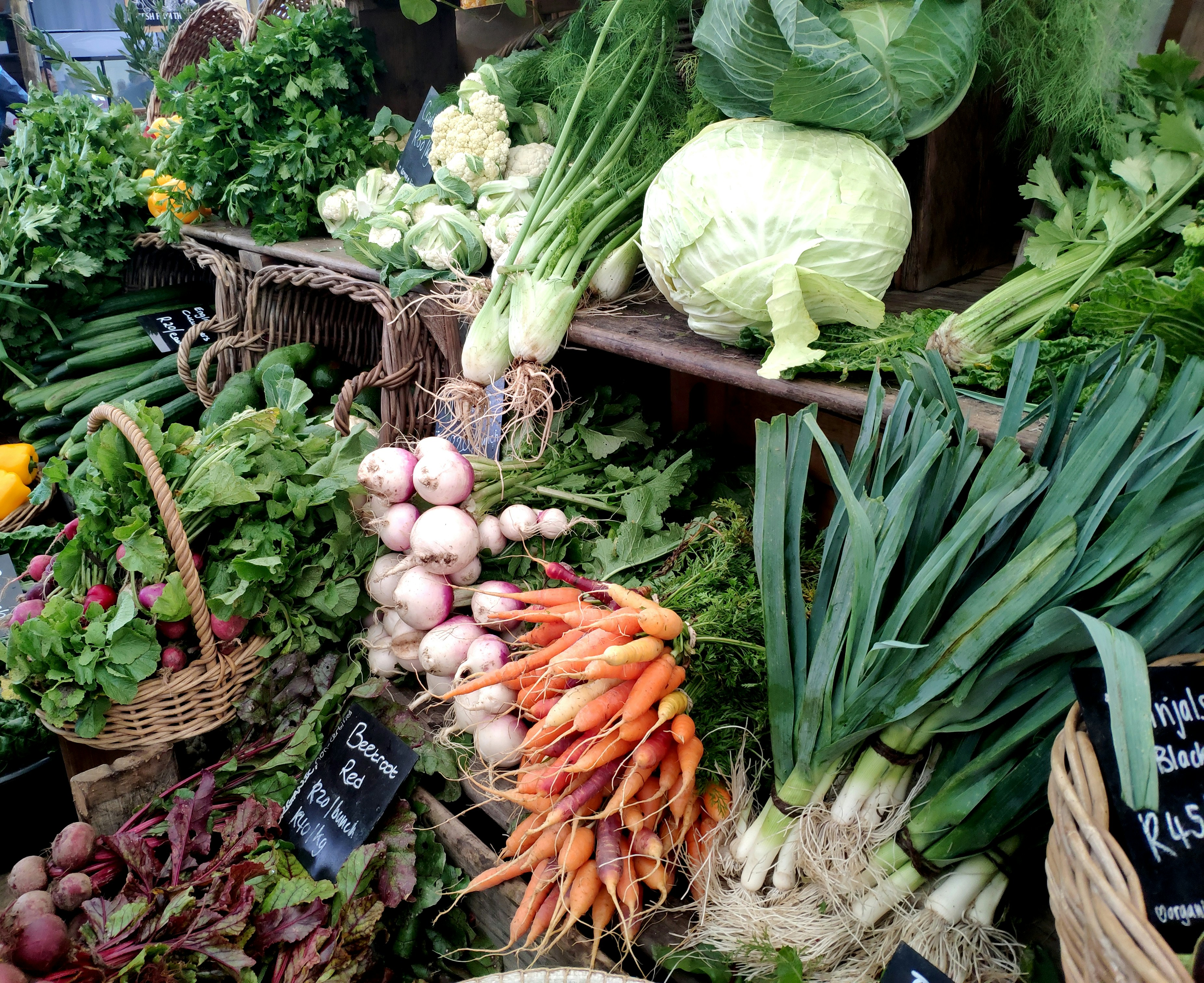
Around 20% of daily fluid intake comes from food: particularly fruit, vegetables, soups, and dairy. So if you're eating a diet rich in whole plant foods, your water requirement from drinks is slightly lower than it would be otherwise. Which is yet another reason why what you eat and how you hydrate are deeply connected.
Six Ways to Actually Drink More
It Really Is This Simple
There is almost no wellness intervention with a better return on investment than drinking enough water. It costs nothing. It requires no equipment. It takes no time. And the evidence for its benefits (in energy, cognition, skin health, digestion, weight management, and general wellbeing) is about as solid as evidence gets in nutrition science.
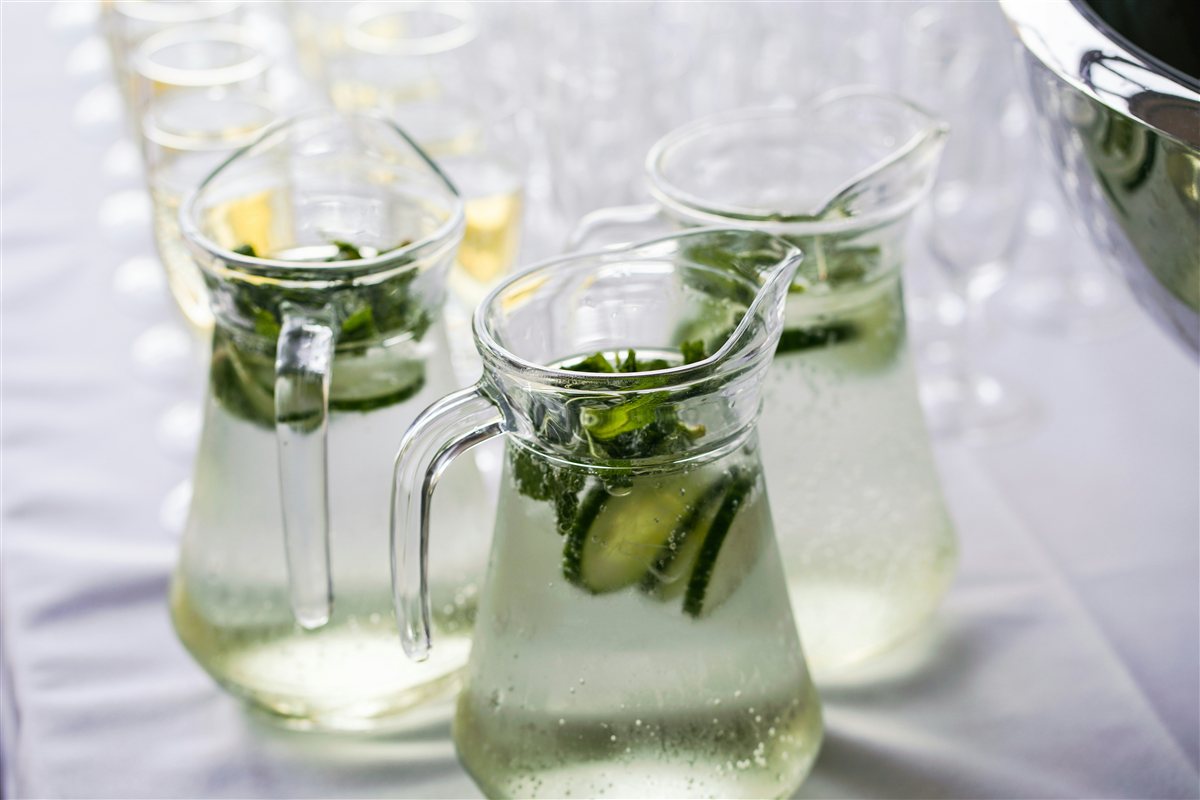
The only challenge is memory and habit. Which is why visibility matters so much: a beautiful glass, a pitcher on the counter, a bottle that travels with you. Make the right choice the obvious choice, and your body will quietly do the rest.
"Drink the water. Before the coffee, before the screen, before anything else. Your body has been waiting all night."
Mama Sara