A decade ago, “gut health” was a fringe topic. Today it sits at the centre of nutritional science, with research linking the gut microbiome to immune function, mental health, metabolic health, skin conditions, and autoimmune disease. The hype has somewhat outpaced the evidence in places, but the core finding is solid: the health of your gut has a profound effect on the health of your whole body, and diet is the most powerful tool available to improve it.
This is not a guide to expensive probiotic supplements or gut-testing kits. It is a guide to what is genuinely well-evidenced, what you can do today, and why the fundamentals (variety, fibre, fermented foods, and reducing what disrupts the microbiome) are far more impactful than any single product.
“The gut microbiome is not a fixed thing you are born with. It is a living system you are actively shaping, every day, with every meal.”
Mama SaraWhat the Gut Microbiome Actually Is
The human gut contains approximately 38 trillion microorganisms: bacteria, archaea, fungi, and viruses. Most live in the large intestine. Collectively they weigh around 1–2kg and encode more genes than the human genome. They are not passengers; they are participants in fundamental biological processes:
- Digestion. Gut bacteria ferment dietary fibre that the human gut cannot digest, producing short-chain fatty acids (SCFAs), particularly butyrate, propionate, and acetate, which are the primary fuel source for the cells lining the colon.
- Immunity. Around 70% of the immune system is located in and around the gut. The microbiome trains immune cells to distinguish friend from foe and regulates inflammatory responses throughout the body.
- Neurotransmitter production. The gut produces around 90% of the body’s serotonin and significant quantities of GABA, dopamine precursors, and other signalling molecules that influence mood, anxiety, and sleep.
- Vitamin synthesis. Gut bacteria produce vitamin K2, certain B vitamins, and biotin.
- Metabolism. The microbiome influences how the body extracts energy from food, processes bile acids, and regulates blood sugar and fat storage.
The Diversity Principle
The single most consistent finding across gut microbiome research is that diversity is the key marker of a healthy gut. A diverse microbiome (containing many different species) is more resilient, produces a wider range of beneficial compounds, and is better at protecting against harmful organisms than a less diverse one.
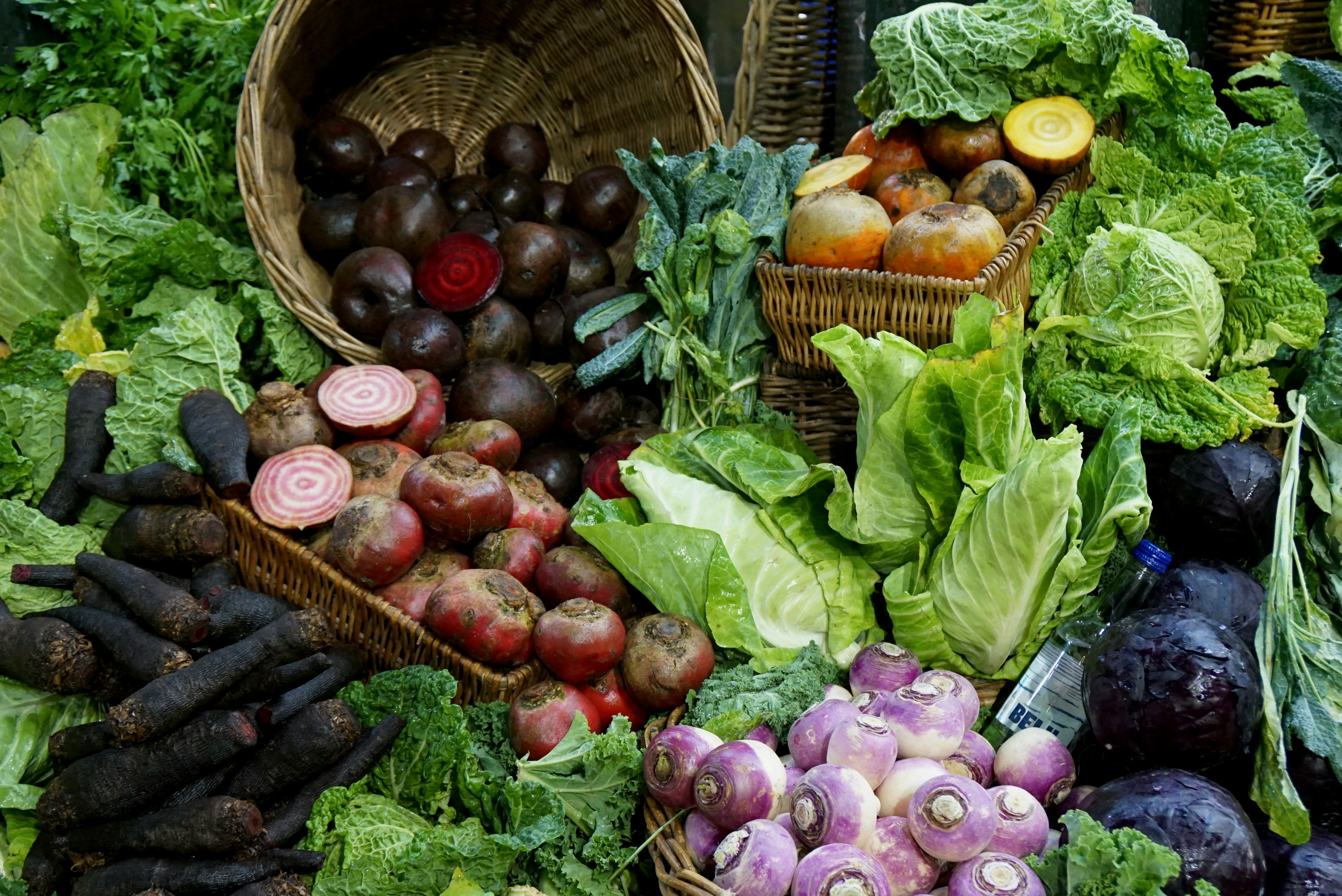
The most reliable predictor of microbiome diversity in large studies is the number of different plant foods eaten per week. Research from the American Gut Project found that people eating 30 or more different plant foods per week had significantly more diverse microbiomes than those eating 10 or fewer. This is not about eating large quantities of anything. It is about variety. A walnut, a teaspoon of coriander seeds, a slice of red onion, a handful of blueberries: these all count.
Count every plant as a separate food: fruit, vegetables, wholegrains, legumes, nuts, seeds, herbs, and spices all count. A mixed salad with five vegetables, sunflower seeds, and walnuts, dressed with lemon and a pinch of cumin is already 8 plants in one bowl. A dinner of lentil dal with brown rice, two vegetables, and a sprinkle of fresh coriander adds 6 more. Thirty per week is more achievable than it sounds.
Feeding the Microbiome: Prebiotics
Prebiotics are the fibre and plant compounds that feed beneficial gut bacteria. They arrive at the large intestine undigested and fermented by the microbiome into the short-chain fatty acids that nourish the gut lining and fuel immune function. Not all fibre is equal: different bacteria feed on different types, which is another reason variety matters.
Found in onions, garlic, leeks, asparagus, chicory root, Jerusalem artichoke, and bananas. Among the most studied prebiotics. Feeds Bifidobacterium and Lactobacillus species. Start slowly: these ferment quickly and can cause bloating if introduced in large quantities.
Found in cooked and cooled rice, potatoes, and pasta; unripe bananas; oats; legumes. Resistant starch is particularly good at producing butyrate: the SCFA most associated with colon health and reduced cancer risk.
Found in the skin and pith of apples, pears, citrus fruits, and berries. Feeds a wide range of bacteria and helps maintain the mucus layer that protects the gut wall.
Found in oats and barley. One of the best-studied fibres. Associated with reduced cholesterol, improved blood sugar regulation, and immune modulation alongside its prebiotic effects.
Found in berries, dark chocolate, olive oil, red wine, green tea, and colourful vegetables. Polyphenols are not technically fibre but are fermented by the microbiome and have significant prebiotic activity: feeding beneficial species while being antimicrobial against pathogens.
Lentils, chickpeas, black beans, and peas are among the highest-fibre foods available and support a particularly wide range of beneficial bacteria. Regular legume consumption is one of the most consistent dietary patterns among people with the longest, healthiest lives globally.
Introducing Live Cultures: Probiotics and Fermented Foods
Probiotics are live microorganisms that, when consumed in adequate amounts, confer a health benefit on the host. The evidence for specific probiotic strains is strong for some conditions (antibiotic-associated diarrhoea, IBS, certain immune functions) and much weaker for general wellness claims. Most over-the-counter supplements contain strains that may not survive the stomach environment or colonise the gut long-term.
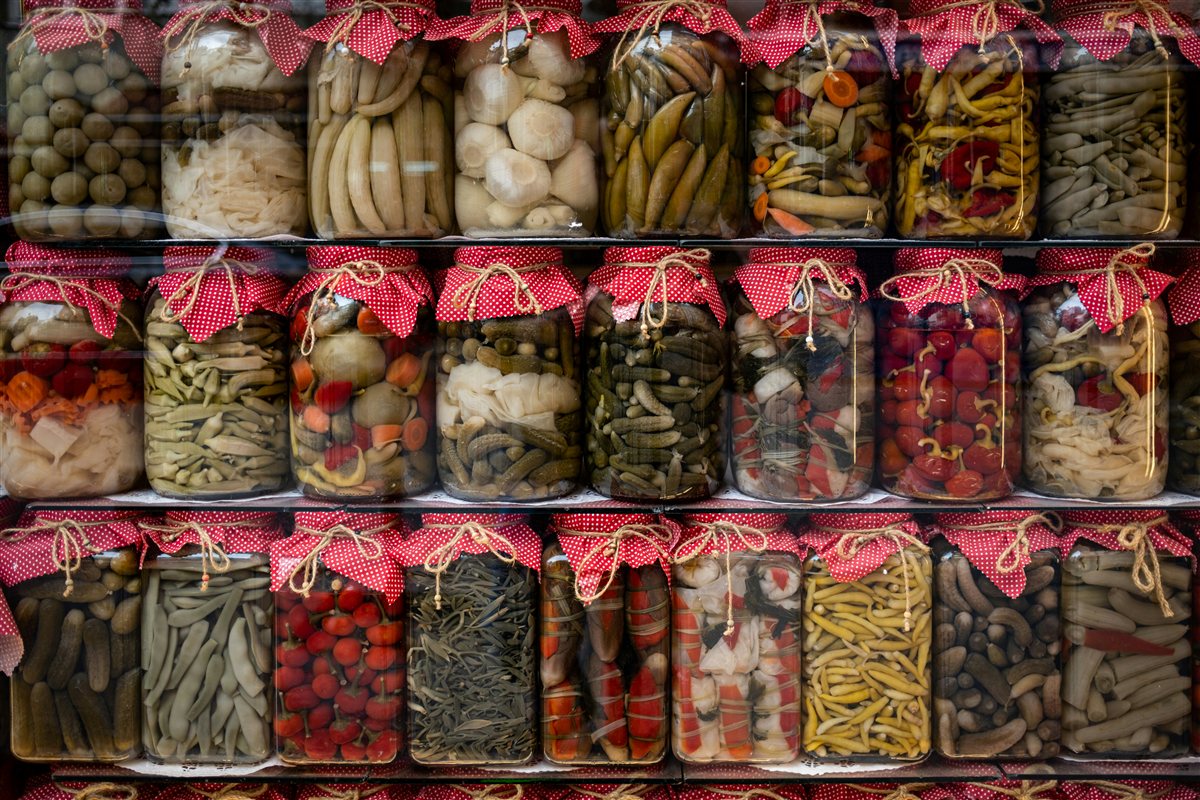
Fermented foods are a different story. A 2021 Stanford study found that a diet high in fermented foods (yoghurt, kefir, kimchi, sauerkraut, kombucha, miso) increased microbiome diversity and reduced inflammatory markers more effectively than a high-fibre diet alone. Fermented foods provide live cultures alongside the food environment they thrive in, which may explain their superior effect.
- Yoghurt (live, natural): One of the most accessible. Look for “contains live cultures” on the label. Full-fat versions are more satiating and less likely to contain added sugar.
- Kefir: A fermented milk drink with a wider range of bacterial strains than most yoghurts. Also available in coconut or water kefir for dairy-free options.
- Sauerkraut and kimchi: Lacto-fermented vegetables that provide Lactobacillus species alongside fibre and vitamins. Buy refrigerated, unpasteurised versions (pasteurisation kills the cultures).
- Miso: Fermented soy paste, rich in Aspergillus oryzae and other beneficial organisms. Use as a base for soups, dressings, and marinades without boiling (heat kills the cultures).
- Kombucha: Fermented tea. The evidence is thinner here and sugar content varies widely. Choose low-sugar versions and treat as a complement rather than a centrepiece.
What Harms the Microbiome
Understanding what disrupts the microbiome is as important as knowing what feeds it.
Ultra-processed foods. Emulsifiers, artificial sweeteners (particularly saccharin and sucralose), preservatives, and thickeners have been shown in multiple studies to alter the gut microbiome, reduce diversity, and damage the gut wall. The mechanism is not fully understood, but the pattern is consistent: a diet high in ultra-processed food correlates strongly with a less diverse, more inflammatory microbiome.
Antibiotics. Necessary when genuinely needed, but antibiotics disrupt the microbiome significantly and the effects can last months. After a course of antibiotics, deliberately consuming prebiotic and fermented foods for several weeks supports recovery. This is one of the clearest cases where food-based gut support has strong evidence.
Chronic stress. The gut-brain axis runs in both directions. Chronic stress alters gut motility, increases intestinal permeability, and changes the composition of the microbiome. Managing stress is gut health work, not separate from it.
Low fibre intake. The average adult in the UK and US eats roughly half the recommended fibre intake. Without adequate fibre, the bacteria that produce butyrate and other beneficial SCFAs are starved out. Over time, the gut lining thins and becomes more permeable, a condition associated with increased inflammation and immune dysregulation.
Alcohol in excess. Moderate alcohol has a limited effect on the microbiome, but regular heavy drinking significantly reduces beneficial bacteria, promotes inflammatory strains, and increases intestinal permeability.
Signs Your Gut May Need More Support
Not all of these are solely gut-related, but each has a plausible gut-microbiome connection that is worth taking seriously:
- Bloating, gas, or irregular bowel movements that are not explained by a specific food intolerance
- Frequent illness or slow recovery from minor infections
- Persistent low mood or anxiety without clear cause (the gut-brain axis is bidirectional)
- Skin conditions including acne, eczema, and rosacea, which are increasingly linked to gut dysbiosis
- Strong sugar or processed food cravings (some harmful bacteria actually signal for the foods they thrive on)
- Fatigue that is not explained by sleep or workload
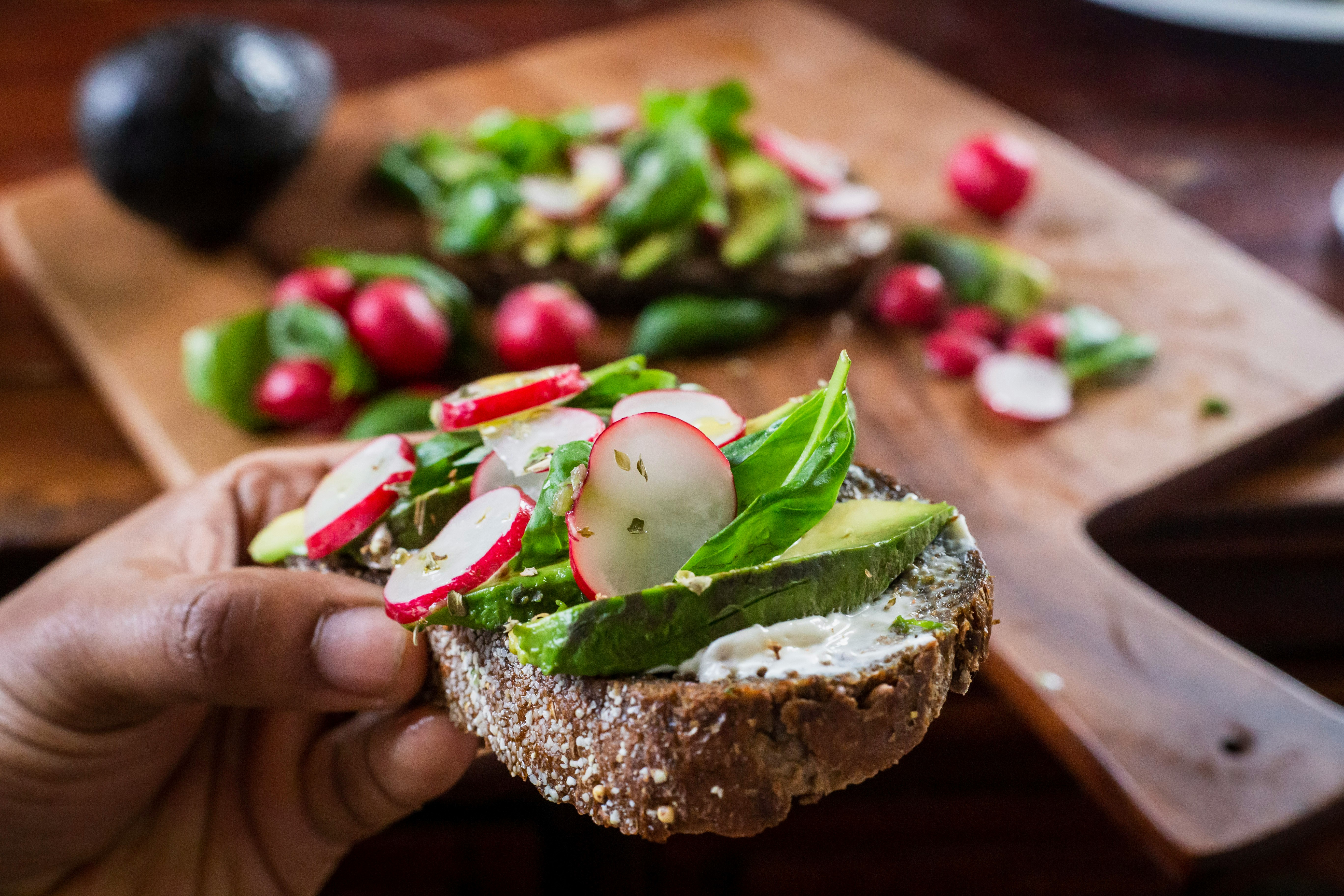
Porridge with berries and ground flaxseed for breakfast (beta-glucan + polyphenols + fibre). A large salad with chickpeas, roasted vegetables, olive oil, and a spoonful of sauerkraut on the side for lunch. An apple mid-afternoon. Lentil soup or a dal with brown rice for dinner, with plain yoghurt. That one day includes prebiotic fibre, resistant starch, polyphenols, fermented foods, and significant variety, and requires no supplements at all.
Gut health is not a quick fix or a product category. It is the cumulative result of what you eat, day after day. The good news is that the microbiome is remarkably responsive: studies show measurable shifts in gut bacteria composition within 3–5 days of dietary change. You are not locked into any particular gut state. Every meal is an opportunity to feed the right communities, and the return on that investment shows up across your whole health.