Organic food carries a premium that can feel prohibitive: anywhere from 20% to 100% more expensive than conventional equivalents, depending on the product and where you buy it. For most households, buying everything organic simply isn’t realistic. And here is the thing most people don’t realise: it doesn’t need to be.
The difference between organic and conventional produce varies enormously depending on the specific food. Some items carry significant pesticide residues in their conventional form and are worth prioritising organic. Others have such thick skins, such low pesticide absorption, or such minimal spray requirements that the organic premium buys you very little. Knowing which is which means your budget goes where it actually matters.
“You don’t need to buy everything organic. You need to know which things are worth it, and spend your budget there.”
Mama SaraWhy Organic Matters (and Why It Doesn’t Always)
Certified organic farming prohibits synthetic pesticides, herbicides, and fertilisers. It also prohibits genetically modified organisms, routine antibiotics in livestock, and certain food additives. What you get with organic certification is a meaningful reduction in synthetic chemical exposure, both for you and for the farming ecosystem.
The extent to which that reduction matters depends on the food. Pesticide residues accumulate differently in different crops depending on how the plant grows, whether it has a protective outer layer you remove before eating, how heavily the crop is typically sprayed, and how well residues wash off. A strawberry and an avocado are not equivalent organic decisions.
For animal products, the calculus is different again. Organic standards for dairy and meat require outdoor access, organic feed, and prohibit routine antibiotic use, changes that affect animal welfare, environmental impact, and potentially the nutritional profile of the end product (organic milk and grass-fed beef have meaningfully different fatty acid profiles to their conventional counterparts).
The Environmental Working Group (EWG) publishes annual lists of the produce with the highest and lowest pesticide residues. The “Dirty Dozen” are the twelve crops most worth buying organic. The “Clean Fifteen” are the ones where conventional is fine. These lists are based on US testing data; European residue levels are generally lower due to stricter regulation, but the relative rankings remain a useful guide.
Prioritise Organic: The High-Impact Items
These are the foods where the organic premium is most justified: either because of high pesticide residues in the conventional form, because you eat them frequently, or because of meaningful differences in nutritional or welfare standards.
Save Your Money: Where Conventional Is Fine
These foods have thick protective skins you remove before eating, naturally low pesticide requirements, or consistently low residue levels in testing. Buying organic here makes little practical difference to what you’re actually consuming.
Eight Ways to Reduce Your Organic Spend
-
1Buy a veg box subscription
Organic vegetable box schemes (Abel & Cole, Riverford, and many local equivalents) are consistently cheaper per kilogram than supermarket organic produce. You get seasonal variety, reduced packaging, and often direct farm relationships. The imperfect or “wonky” options are cheaper still and identical nutritionally.
-
2Shop at farmers markets near closing time
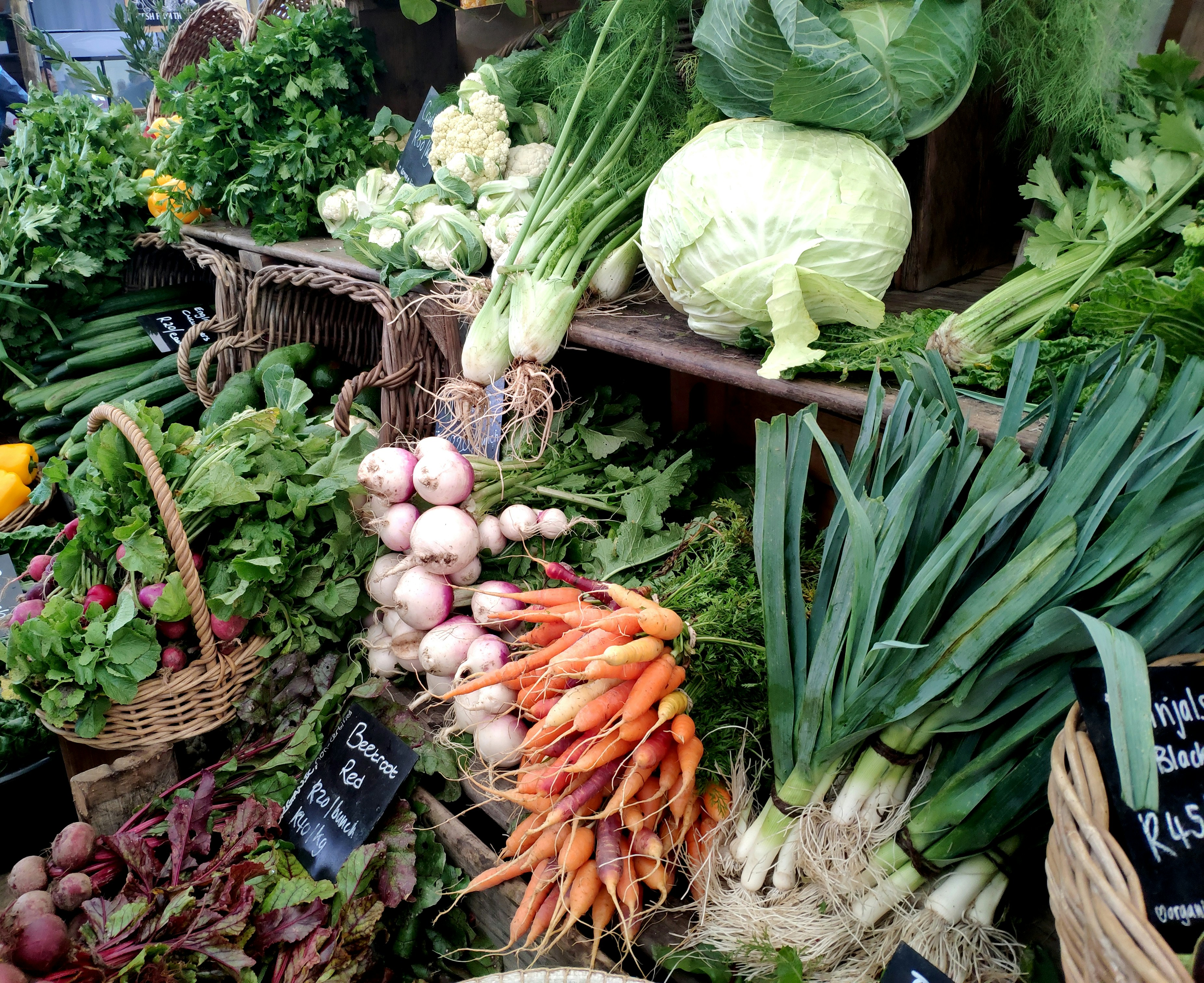
Stallholders reduce prices significantly in the final hour to avoid taking produce home. This is an excellent source of local, often low-spray produce at below-supermarket prices, much of it grown without certification (which is expensive for small farms) but to equivalent or better standards.
-
3Buy dried and tinned organic staples in bulk
Organic lentils, chickpeas, beans, oats, and rice bought in larger quantities from wholefood shops or online are dramatically cheaper per portion than supermarket organic equivalents. These are the foods you eat most frequently: worth the organic premium, and very affordable when bought this way.
-
4Choose supermarket own-label organic
Most major supermarkets have own-label organic ranges that are significantly cheaper than branded organic equivalents and certified to the same standard. Organic milk, yoghurt, eggs, and tinned tomatoes from supermarket own brands are usually the most affordable entry point.
-
5Grow your own, even a little
Herbs, salad leaves, tomatoes, courgettes, and runner beans are all straightforward to grow in a small garden, raised bed, or even a windowsill. A pot of basil or a tray of salad leaves costs almost nothing to maintain and provides a genuinely organic, zero-food-miles ingredient that would be expensive to buy. You don’t need a garden: a sunny windowsill grows herbs.
-
6Eat less meat, buy better quality
Reducing meat consumption overall (and spending the saved budget on higher-welfare, organic, or grass-fed options when you do eat it) is often the most meaningful shift available. Three portions of conventional meat per week costs more and delivers less nutritional quality than one portion of organic or grass-fed. Less, but better, is a genuinely useful framework here.
-
7Wash produce thoroughly
Washing fruit and vegetables under running water and scrubbing with a brush removes a meaningful proportion of surface pesticide residues, not all, but enough to matter. For items with edible skins (apples, cucumbers, courgettes), a proper wash is always worth doing regardless of whether the produce is organic or conventional.
-
8Prioritise whole foods over organic processed foods
Organic biscuits, organic crisps, organic pasta sauces: these are still ultra-processed foods with the same fundamental limitations as their conventional counterparts. The organic certification improves the pesticide picture but does not transform the nutritional profile. A bag of conventional whole oats delivers more genuine value than a bag of organic biscuits at three times the price.
The Bigger Picture
It is easy for “eating organically” to become a source of anxiety or guilt, a standard that feels impossible to meet without spending a significant portion of the food budget. This is the wrong frame.
The evidence is clear that a diet rich in vegetables, fruit, whole grains, and legumes (regardless of whether they are certified organic) is dramatically better for health than a diet of ultra-processed food, organic or otherwise. Conventional broccoli is infinitely preferable to organic biscuits. A diet built on whole foods, bought seasonally, grown locally where possible, and supplemented with organic choices where they matter most, is exactly what the research supports.
Start with the Dirty Dozen. Switch your oats and dairy. Shop at a farmers market once a month. Grow some herbs. These are the changes that compound, and none of them require an unlimited budget.