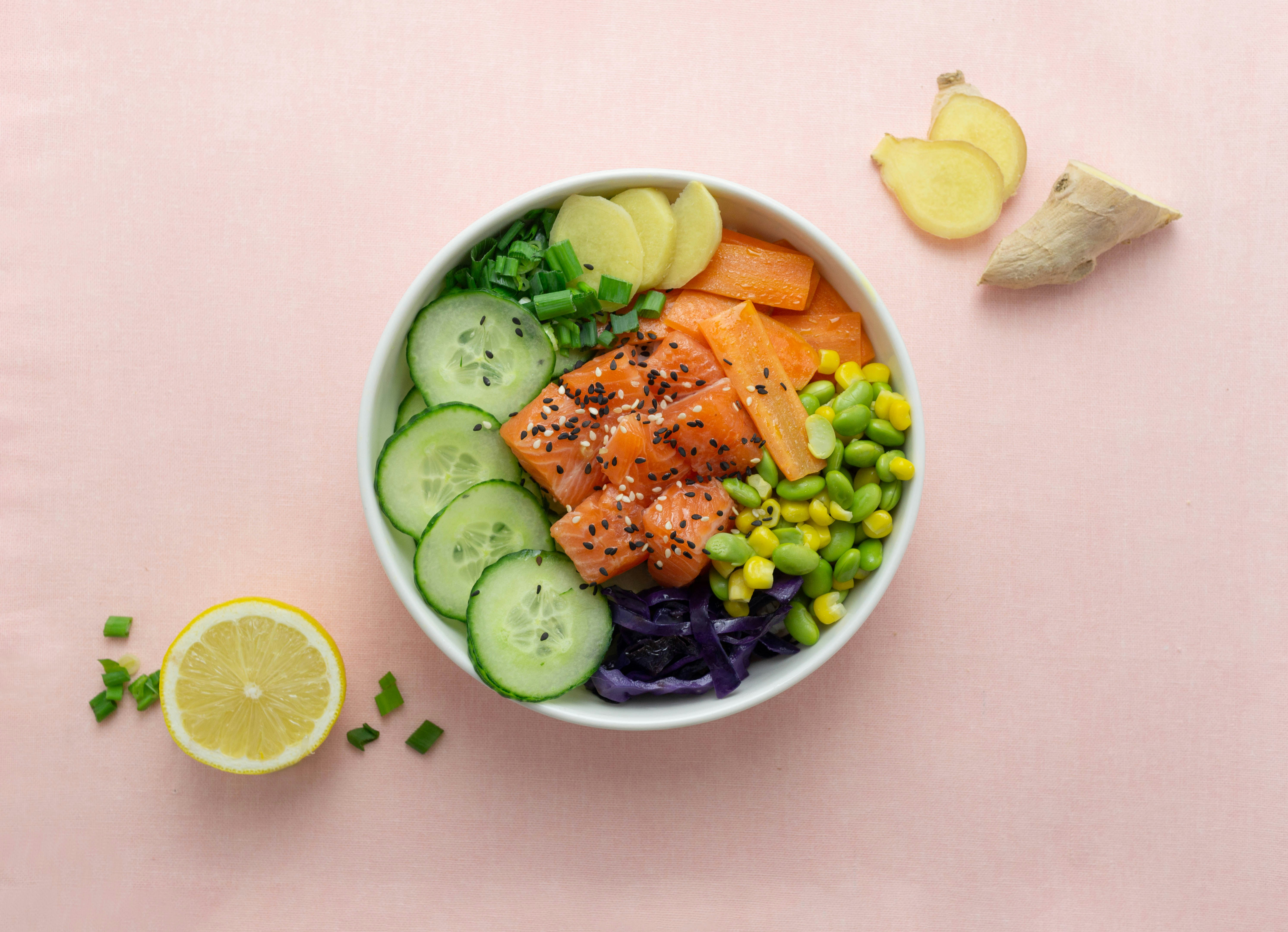
In the 1980s, a nutritional consensus formed around a simple idea: dietary fat causes heart disease, and therefore eating less fat is better for health. The food industry responded enthusiastically. Low-fat versions of everything appeared. Butter was replaced with margarine. Full-fat yoghurt was replaced with sweetened low-fat versions. Fat was removed from products and replaced, largely, with sugar, because without fat, food tastes of nothing.
The result, over the following three decades, was a sharp rise in obesity, type 2 diabetes, and metabolic disease across the populations that most enthusiastically adopted low-fat diets. The hypothesis was wrong, or at least dramatically oversimplified. Fat is not the enemy. The type of fat matters enormously, and the food that replaced it (refined carbohydrate and sugar) turned out to be considerably more problematic.
We are still, as a culture, recovering from the low-fat era. The reflexive distrust of fat (the instinct to choose the low-fat option, to avoid olive oil, to feel guilty about eating avocado) is a hangover from advice that the evidence no longer supports.
“The question is never how much fat you eat. It is always what kind, and what it comes packaged with.”
Mama SaraWhat Fat Actually Does
Dietary fat is essential. It is not optional or merely tolerated by the body: it is a primary building material and fuel source with functions that no other macronutrient can perform.
Fat is required for: absorbing fat-soluble vitamins (A, D, E, and K cannot be absorbed without dietary fat present); building and maintaining every cell membrane in the body; producing hormones including oestrogen, testosterone, and cortisol; supporting brain function (the brain is approximately 60% fat); insulating organs; and providing the slow, sustained energy that prevents the blood sugar crashes that refined carbohydrates cause.
A diet genuinely low in fat (below around 20% of total calories) impairs all of these functions. Hormone disruption, dry skin, poor absorption of fat-soluble nutrients, brain fog, and persistent hunger are among the documented consequences of fat restriction taken too far.
Fat is the most satiating macronutrient. It slows gastric emptying (the rate at which food leaves the stomach) and triggers the release of satiety hormones that signal fullness to the brain. A meal containing adequate fat keeps you full for longer, reduces snacking, and stabilises blood sugar in a way that a low-fat, high-carbohydrate meal does not. The low-fat diet’s persistence of hunger was not a coincidence.
The Fats Worth Eating
The Fats Worth Avoiding
Not all fats are equal, and the nuanced rehabilitation of dietary fat does not mean that all fat is fine. Two categories warrant genuine caution.
-
!Trans fats (partially hydrogenated oils)
Created by partially hydrogenating vegetable oils to make them solid at room temperature and extend shelf life, trans fats are the one category of dietary fat with clear, consistent evidence of harm: raising LDL cholesterol, lowering HDL cholesterol, and significantly increasing cardiovascular risk. They are now banned or restricted in many countries but still appear in some processed foods, margarines, and commercial baked goods. Look for “partially hydrogenated” in ingredients lists and avoid.
-
!Refined seed and vegetable oils at high heat
Sunflower oil, vegetable oil, corn oil, and soybean oil are high in omega-6 polyunsaturated fats. In themselves these are not harmful, but two factors are worth considering. First, the modern diet is already dramatically skewed toward omega-6 relative to omega-3, and adding large quantities of omega-6 oils amplifies this imbalance. Second, polyunsaturated fats are chemically unstable at high temperatures and oxidise when heated, producing compounds associated with inflammation. Use olive oil or coconut oil for cooking instead; reserve seed oils for cold applications if at all.
The Omega-3 to Omega-6 Balance
Both omega-3 and omega-6 are essential fatty acids: the body cannot make them and must obtain them from food. They compete for the same metabolic pathways, and the balance between them matters. Omega-3s are broadly anti-inflammatory; omega-6s, in excess, are broadly pro-inflammatory.
Our evolutionary diet is estimated to have had an omega-6 to omega-3 ratio of roughly 4:1. The average modern Western diet has a ratio closer to 20:1, driven by the widespread use of vegetable oils and the reduction in oily fish consumption. This imbalance is associated with chronic low-level inflammation, the underlying driver of most major chronic diseases.
The practical response is straightforward: eat more oily fish, walnuts, and flaxseed (all high in omega-3); reduce your use of vegetable and seed oils; and choose grass-fed animal products where possible (grass-fed meat and dairy have a significantly better omega-3 to omega-6 ratio than grain-fed equivalents).
Putting It Into Practice
The practical shift away from fear of fat is simpler than it might seem. It does not require counting grams or tracking macros. It requires choosing differently at the shelf and in the kitchen.
Use olive oil generously: on salads, roasted vegetables, bread, and for light cooking. Eat an avocado several times a week. Add a small handful of nuts or seeds to breakfast or as a snack. Eat oily fish at least twice a week. Choose full-fat dairy and eat it in the quantities that satisfy rather than the larger quantities that low-fat requires to feel full.
Stop reaching for the low-fat option. Read the ingredients list and notice what has replaced the fat: usually sugar, starch, or additives. The full-fat original, in reasonable quantities, is almost always the better nutritional choice.
Fat is not the enemy. It never was.