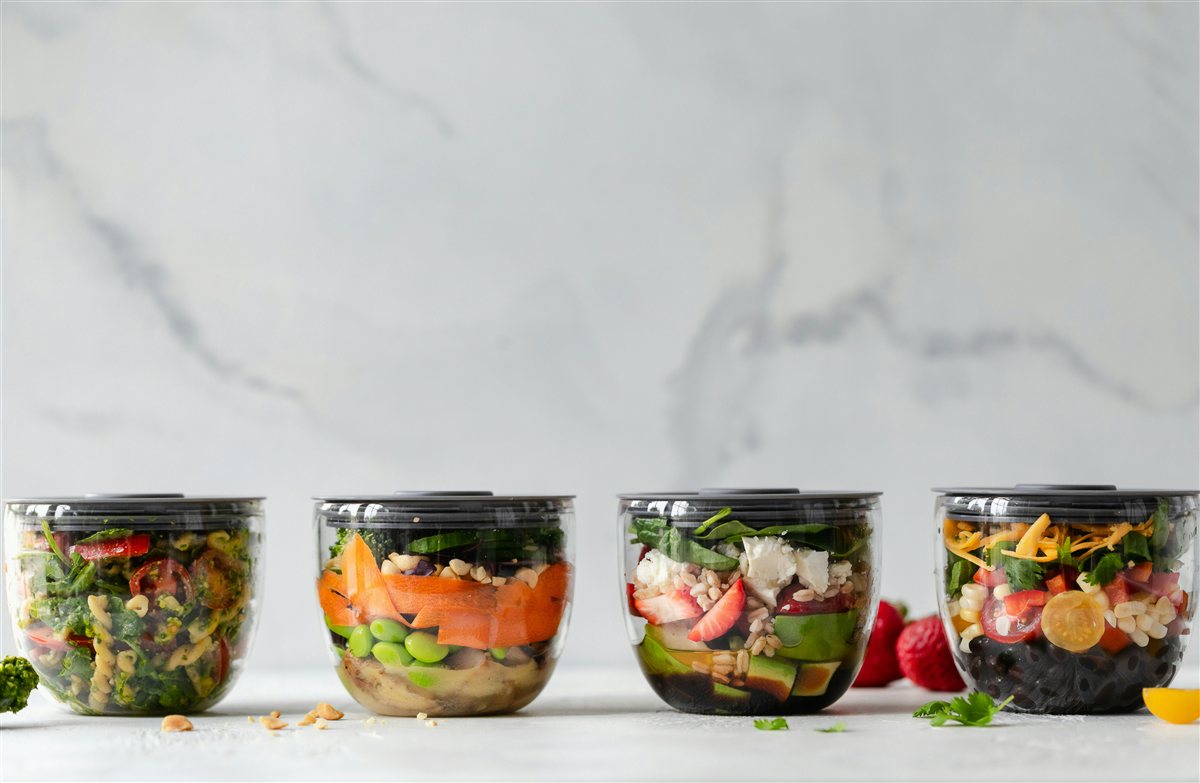
There is a version of healthy eating that looks wonderful in photographs: colourful bowls assembled with artful precision, every meal planned and portioned and perfectly lit. And then there is the version that happens in real life, where it is 6:30pm on a Thursday, you’ve just got home, and the question of what to eat feels genuinely insurmountable.
Batch cooking exists to bridge that gap. Not the aspirational version: the practical one. It is simply the habit of cooking more of something when you’re already cooking it. A bigger pot of soup. A double batch of lentils. An extra tray of roasted vegetables. These small acts of forward-thinking in a calm moment remove the need for decisions in the difficult ones.
Done well, batch cooking doesn’t feel like a chore. It feels like a gift to your future self.
“The goal isn’t to cook all your meals on Sunday. It’s to make sure that on Thursday evening, you’re not starting from scratch.”
Mama SaraBatch Cooking vs Meal Prep: What’s the Difference?
The terms are often used interchangeably, but they’re slightly different in practice. Meal prep typically means preparing specific meals in advance: portioning out complete dishes into containers, ready to be reheated. It’s efficient, but it can feel rigid and can lead to food fatigue by midweek.
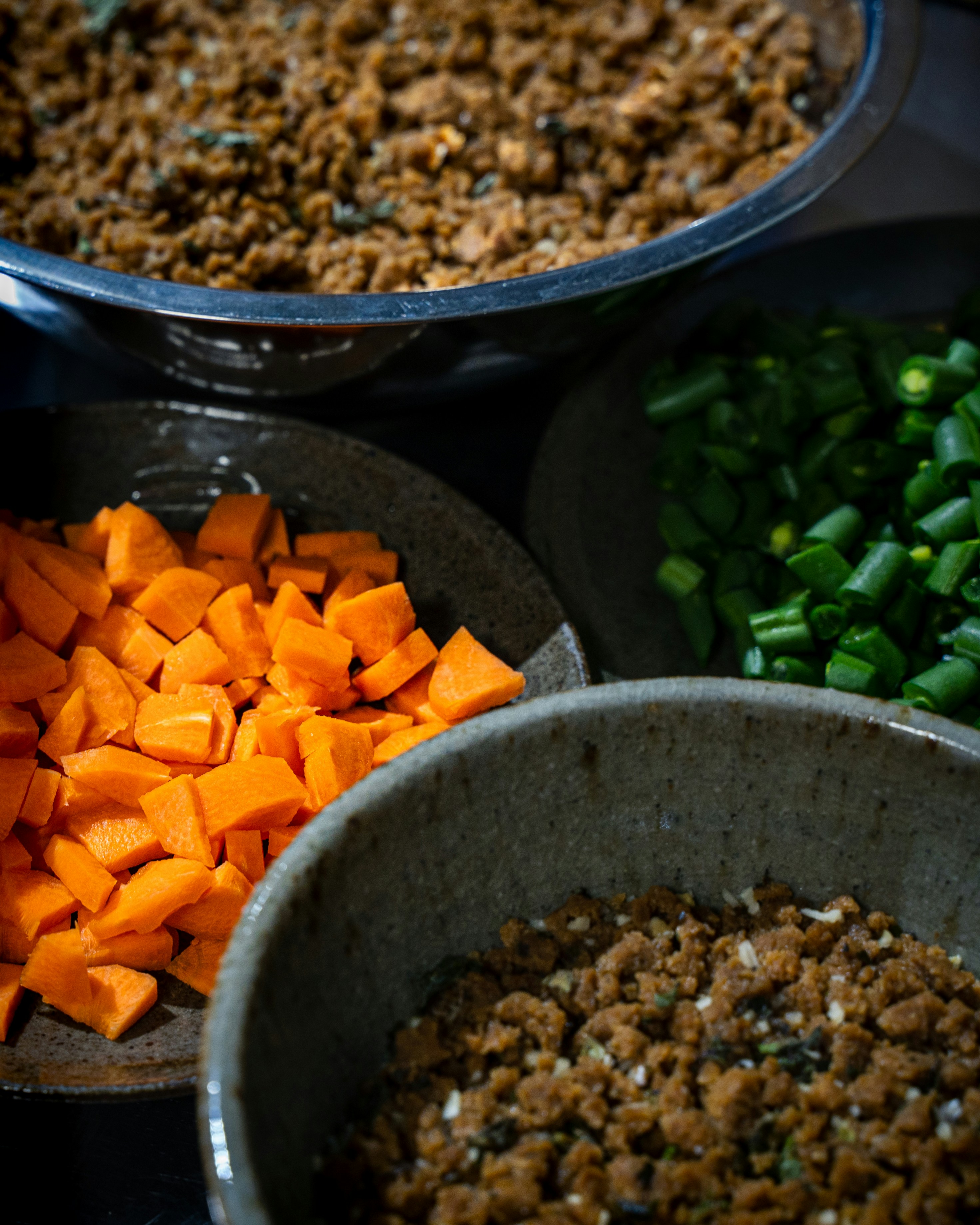
Batch cooking is more flexible. Instead of cooking finished meals, you cook components (a large quantity of one thing) that can be combined in different ways across the week. A big pot of bean soup. A tray of roasted sweet potato. A jar of cooked farro. These become building blocks rather than fixed meals, which means you get variety without starting from scratch every evening.
Most kitchens benefit from a combination of both: a few ready-to-go meals for the most chaotic days, and a stock of components for everything else.
Start smaller than you think you need to. One batch-cooked item per week (a pot of soup, a bag of cooked grains) is already transformative. The habit matters more than the volume. Build it gradually rather than attempting an entire weekly cook-up from the start.
What Batches Best: The Five Categories
Not everything benefits from being made in large quantities. These five categories are the ones that deliver the most value: the foods that take the most time to cook from scratch and keep best once made.
How to Actually Do It: Building the Habit
The biggest barrier to batch cooking is the sense that it requires a dedicated, orchestrated session: a cleared Sunday afternoon, a shopping list, and a plan. That version exists and works well once the habit is established. But you can also start much more simply.
-
1Cook double when you cook anyway
Making a pot of lentil soup for dinner tonight? Make twice as much. Cooking rice? Cook the whole bag. Roasting one tray of vegetables? Fill two trays. This is the simplest entry point into batch cooking because it requires no additional planning, just scaling up what you’re already doing. The extra portions get stored and used across the week.
-
2Pick one anchor cook per week
Once the double-cooking habit is in place, choose one session per week (Sunday afternoon is the classic choice, but Saturday morning or Friday evening works equally well) where you intentionally cook two or three larger batches. A grain, a soup or stew, and a sauce. That’s it. An hour of cooking provides the foundation for a full week of meals.
-
3Cook in parallel, not in sequence
The oven and the hob can both be working at the same time. Start the soup simmering, slide the vegetables into the oven, cook the grains on a back burner. Work in parallel rather than finishing one thing before starting the next. A session that would take two hours done sequentially takes forty-five minutes done this way.
-
4Store with visibility in mind
Batch cooking only works if you actually use what you’ve made. Glass containers that let you see the contents are worth the investment. Store items at eye level in the fridge rather than at the back. Label with the date if it helps you track freshness. A beautiful, visible fridge of prepared food is genuinely motivating in a way that opaque containers at the back of a shelf are not.
-
5Use the freezer as a long-term pantry
Soups and stews freeze beautifully. So do cooked grains, bean dishes, and most sauces. When you make a large batch, freeze half in individual or family-sized portions. Label clearly with contents and date. Over time, you build a freezer library: a rotating stock of home-cooked food that means a real meal is always thirty minutes away, even when the fridge is empty and the week has been impossible.
A Sample Weekly Batch Session
Here is what a typical one-hour batch session might look like, producing the foundation for a full week of lunches and dinners for two to four people.
Start: Fill a large pot with water and set a big batch of brown lentils to cook. Preheat the oven to 200°C. Rinse a cup and a half of farro and set it on a back burner to cook in salted water.
While those cook: Chop two large sweet potatoes, a head of cauliflower, and two red onions. Toss on two baking trays with olive oil, salt, cumin, and smoked paprika. Slide into the oven.
While the oven and hobs work: Make a large batch of tahini dressing. Wash and spin a bag of salad leaves. Hard boil six eggs. Drain and season a tin of chickpeas and spread on a baking tray, then add to the oven for the last twenty minutes to roast crispy.
One hour later: You have cooked lentils (soup or salad base), cooked farro (grain bowls, warm salads), two trays of roasted vegetables, crispy chickpeas, boiled eggs, dressed leaves, and a jar of tahini dressing. From these components (combined differently each day) you can build six or seven entirely different meals without cooking anything from scratch on a weeknight.
“A stocked fridge of prepped ingredients doesn’t just save time. It removes the decision fatigue that makes takeaway feel like the only option at 7pm.”
Mama SaraMaking It Work for Your Life
Batch cooking is not a rigid system. It is a flexible practice that adapts to the shape of your week. Some weeks you’ll manage a full cook session. Some weeks you’ll only double the pasta sauce you were making anyway. Both count. The habit builds over time into something that fundamentally changes your relationship with weekday cooking, from something that requires energy and decision-making at the worst possible time, to something that has already, quietly, been taken care of.
The most useful question to ask yourself at the end of any batch cook session is not “what meals have I made?” but “what decisions have I removed?” Every component in the fridge is one fewer decision your future self has to make at the hungriest, most tired moment of the day.
Start this weekend. Make double of whatever you were already planning to cook. That’s the whole practice, in its simplest form.